Last month i visited Budapest for the first time, with a bunch of my old gamer friends, apparently you can make real friends on the Internet, at least worked for +25 years now for me.
Today its perhaps more about meeting up, enjoying a new place like Budapest, have a few drinks :). And between all the social stuff, i also managed to take a few pictures. I knew it was primarily a social trip, so i brought my smallest setup. My X-100VI + TCL 50, and WCL 16. Which was light and easy to lug around.
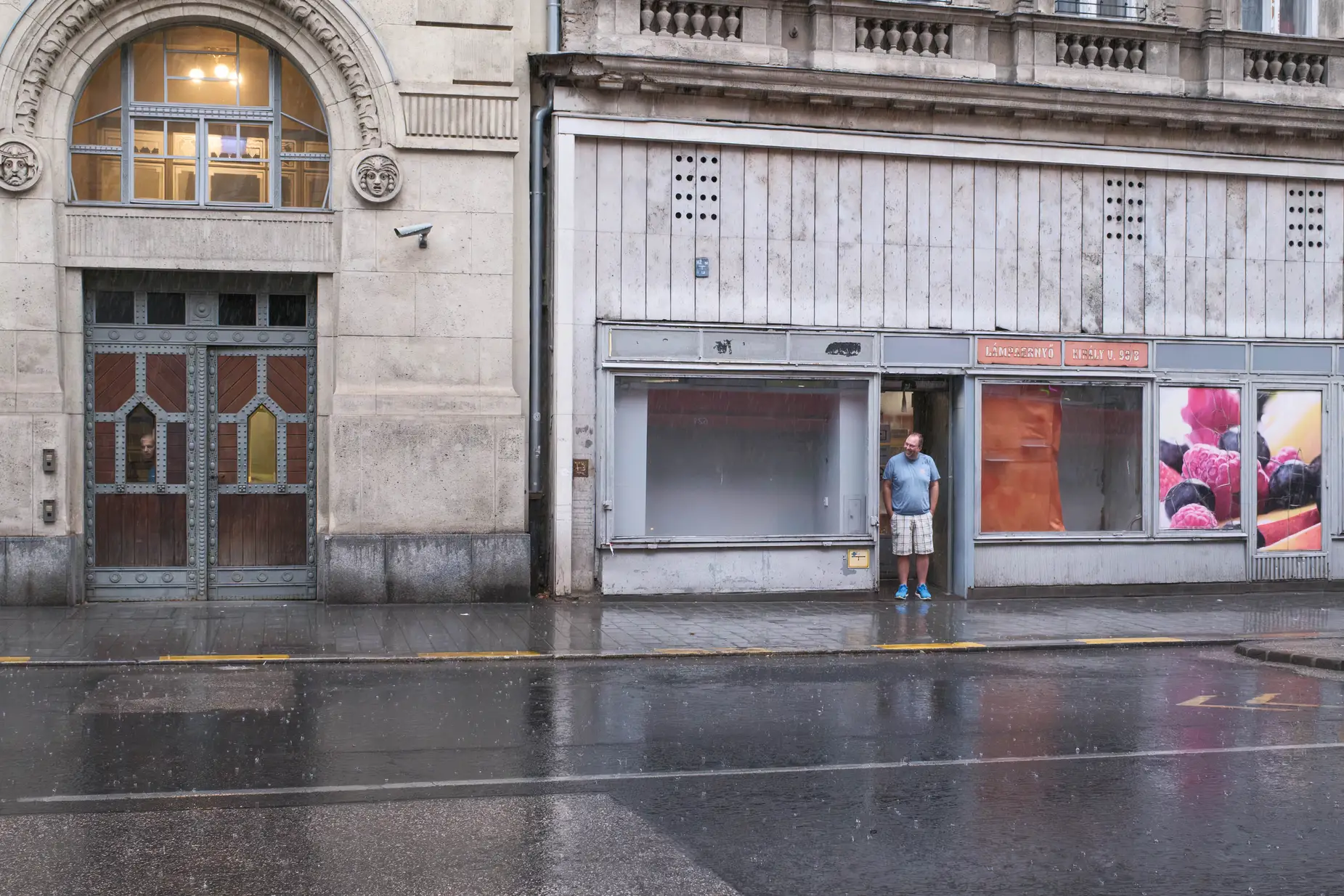
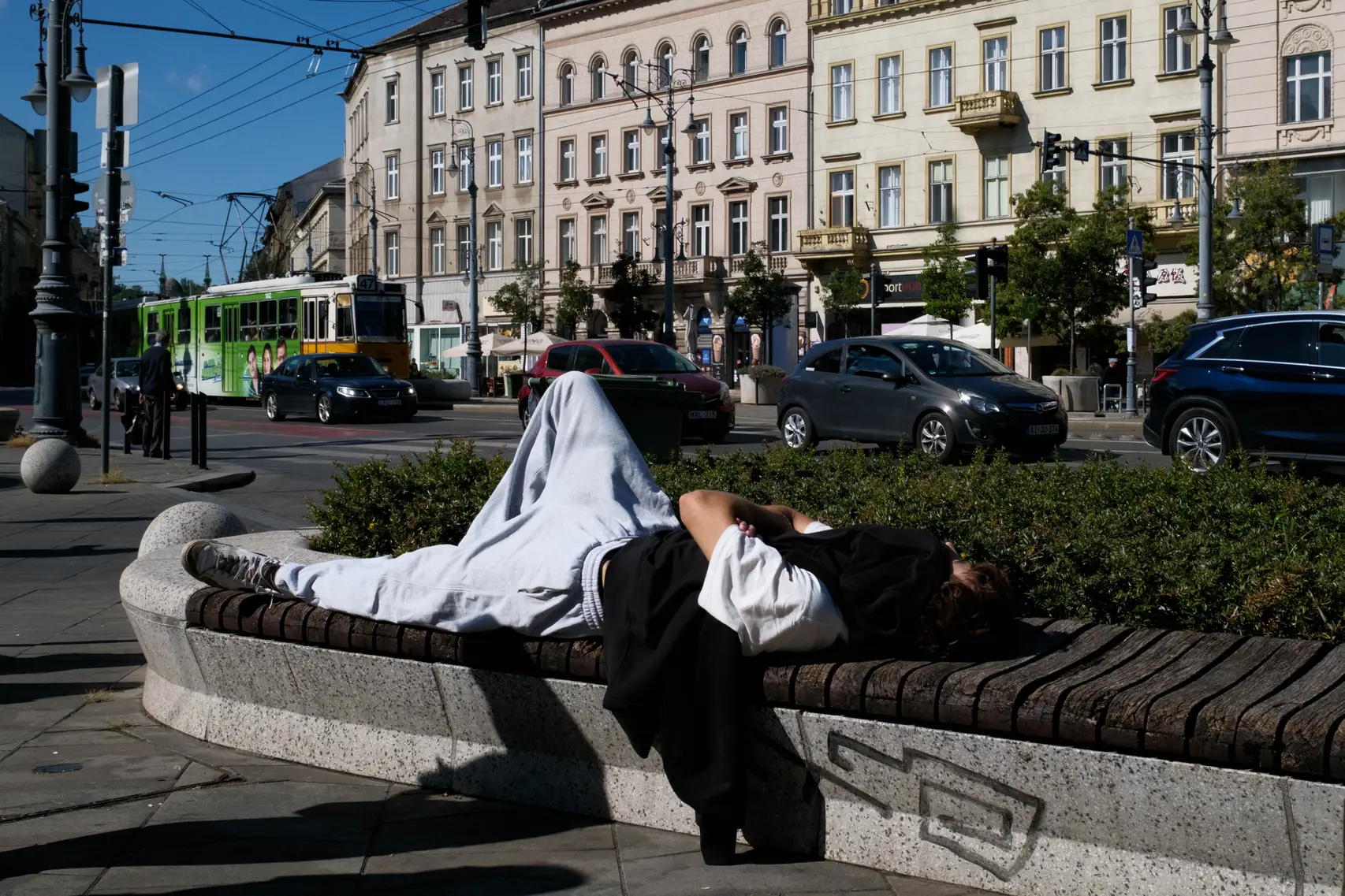
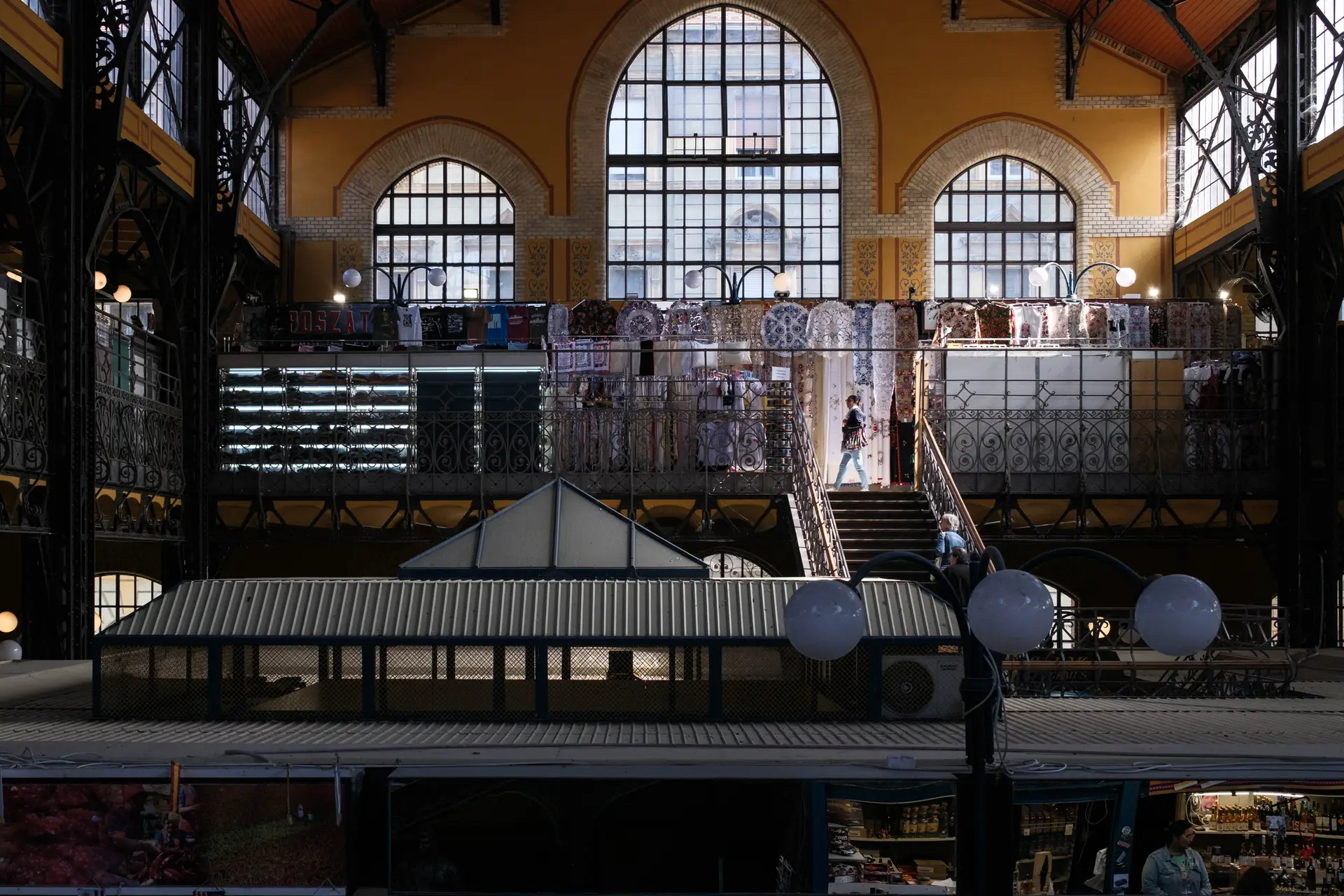
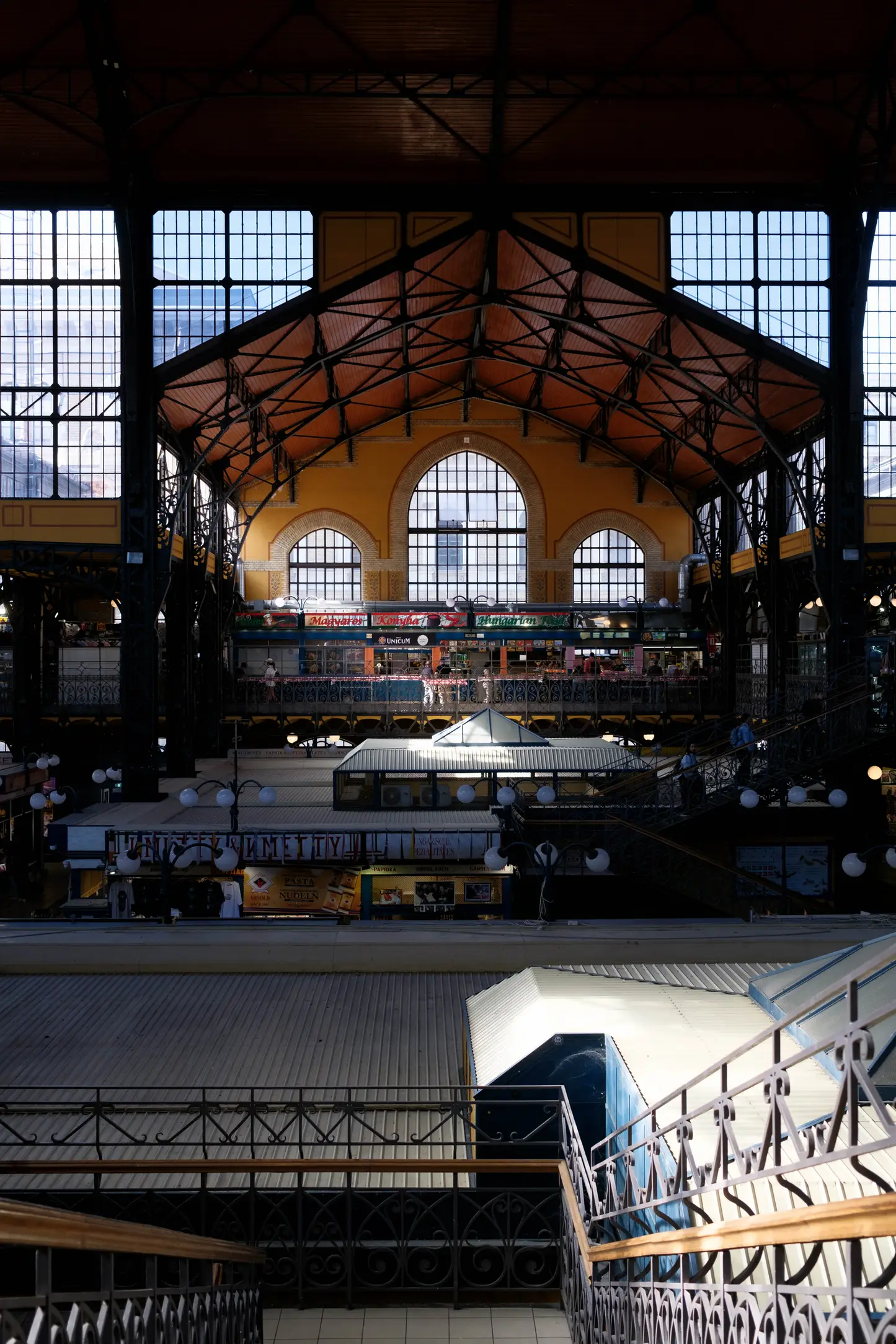
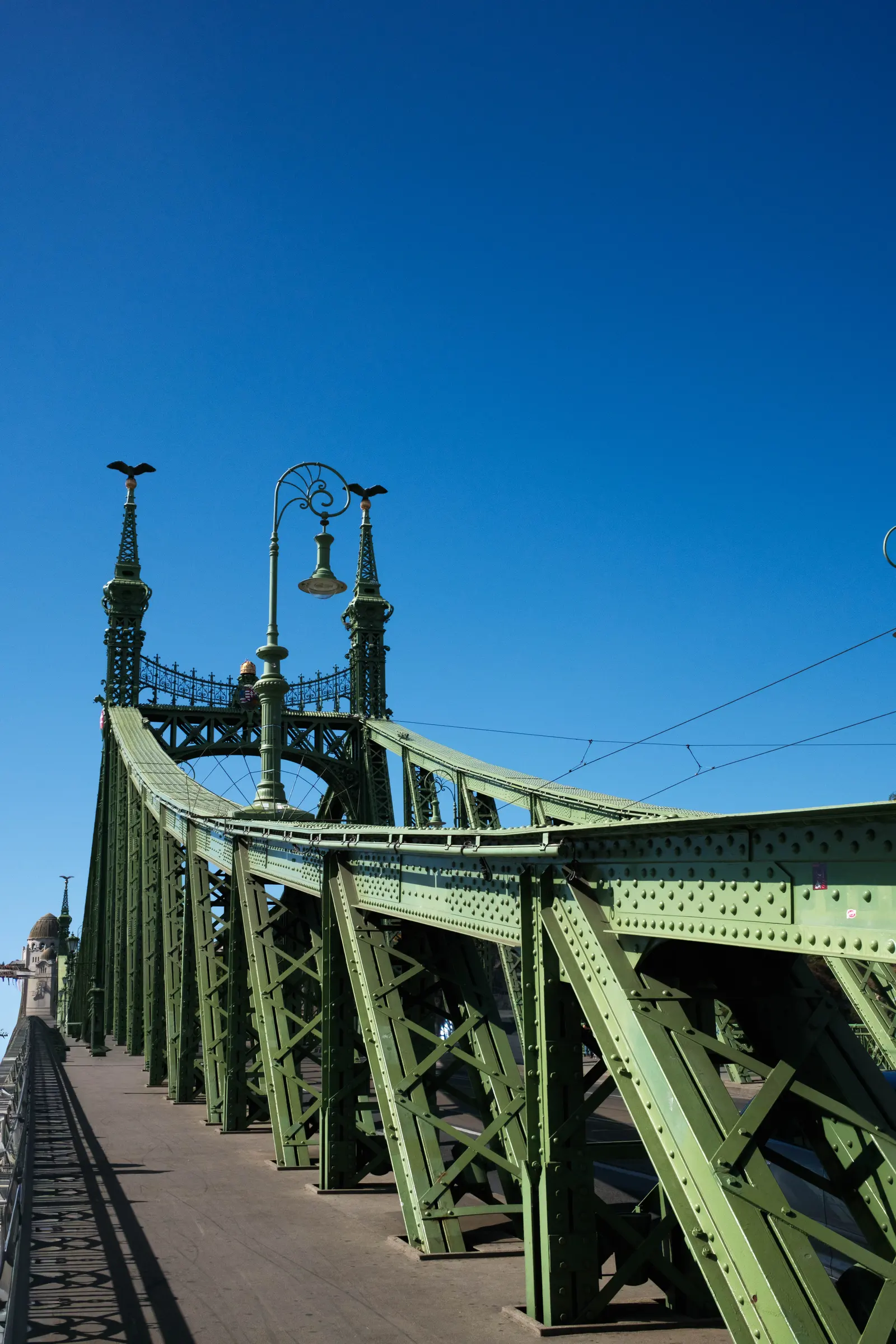
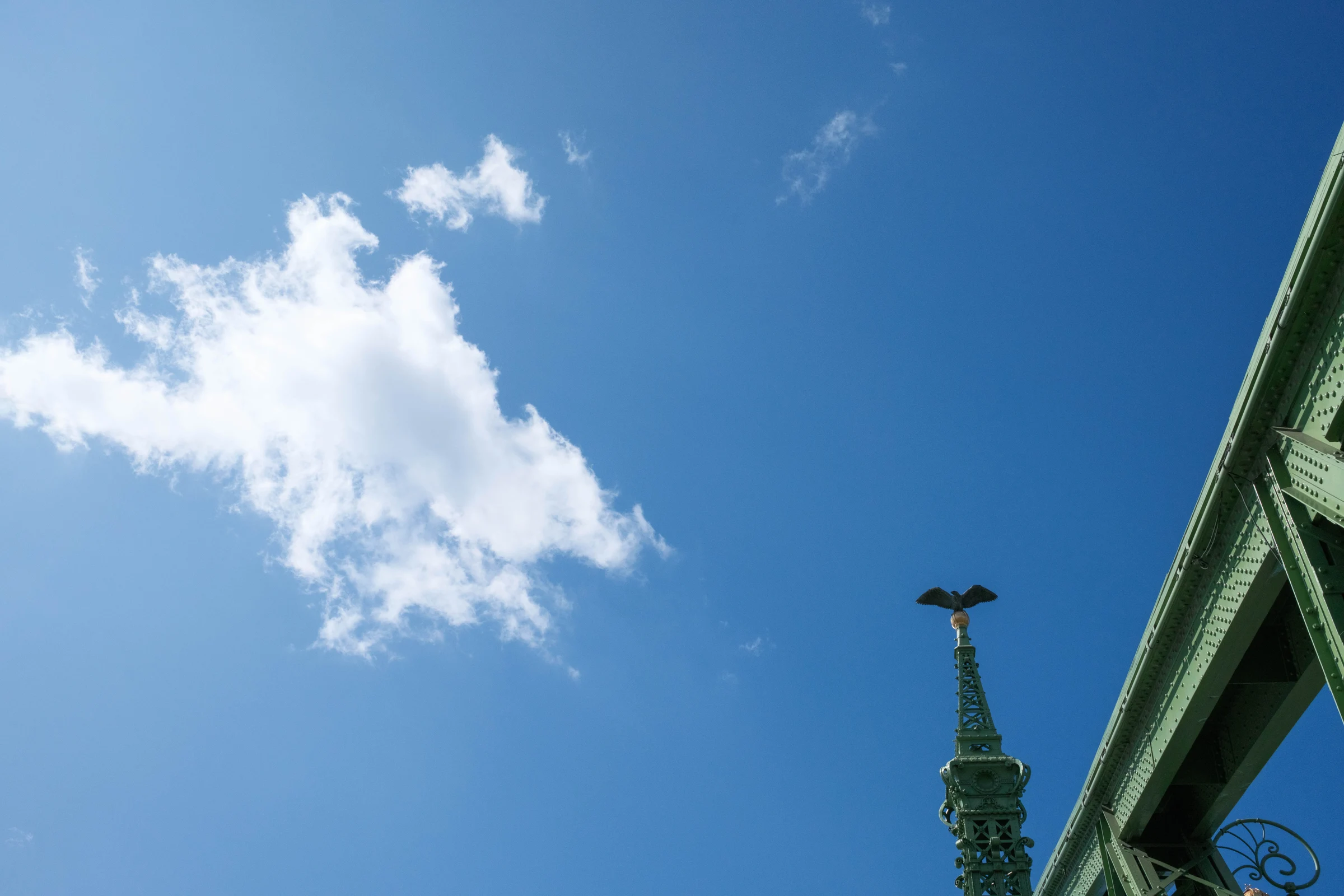
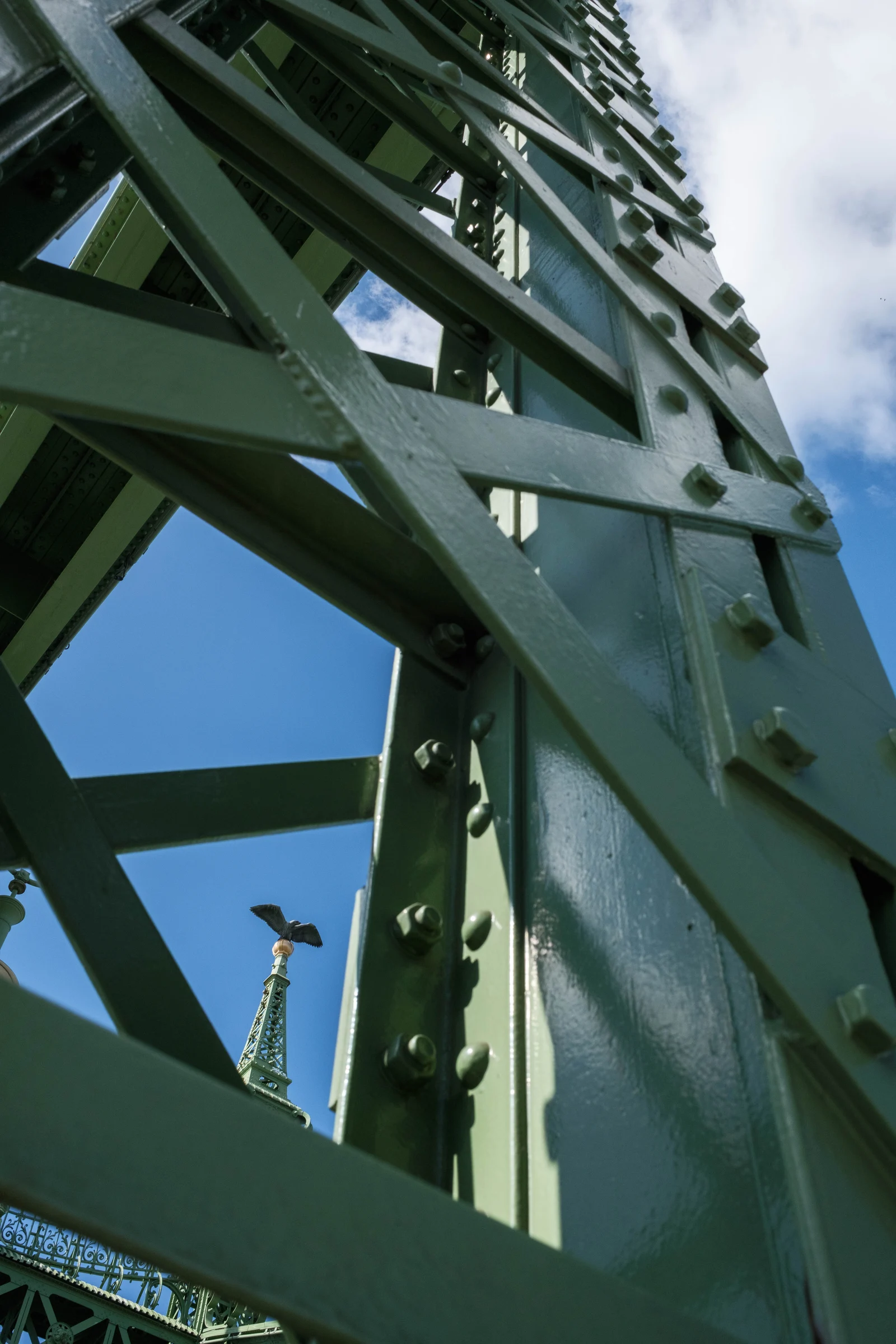
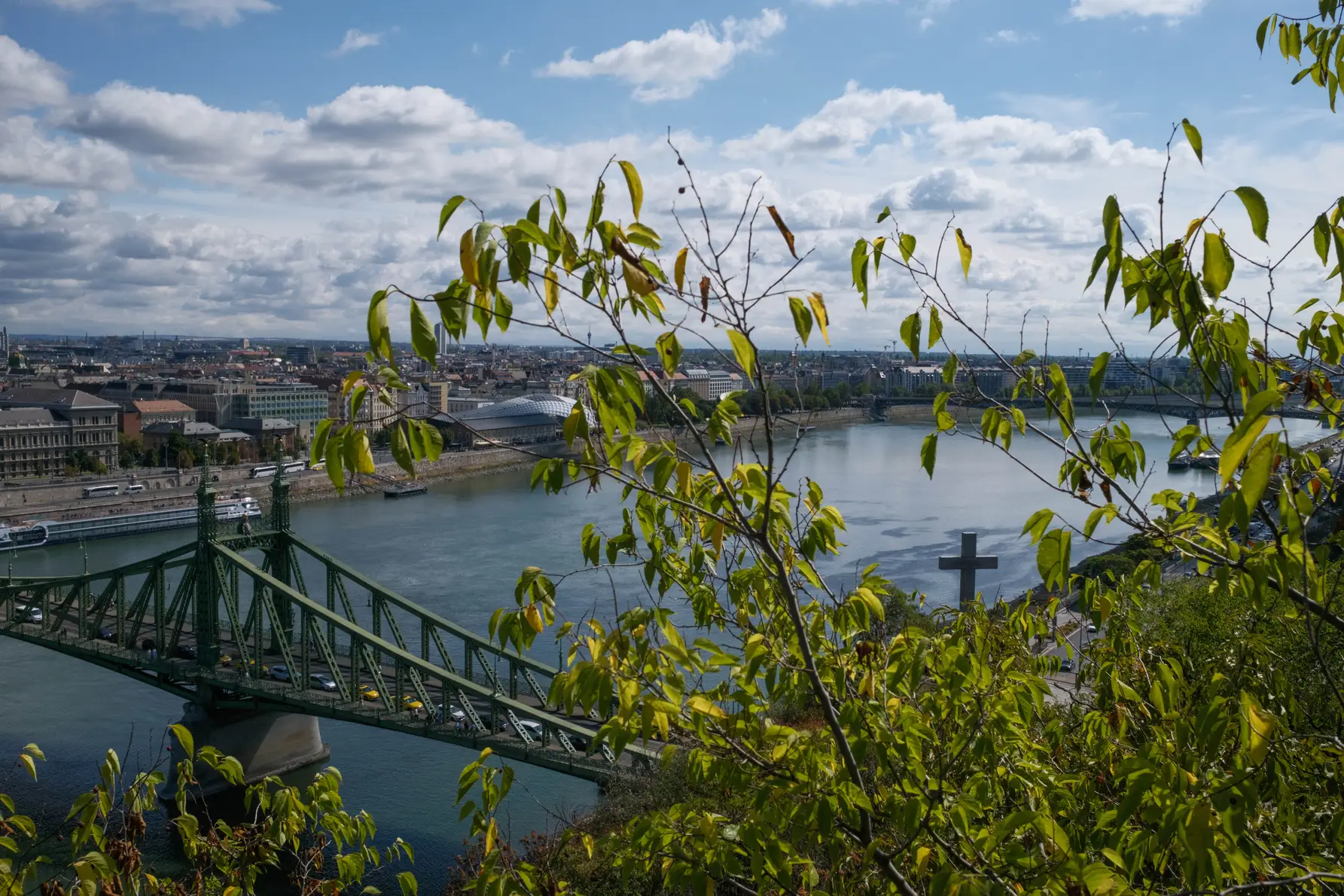
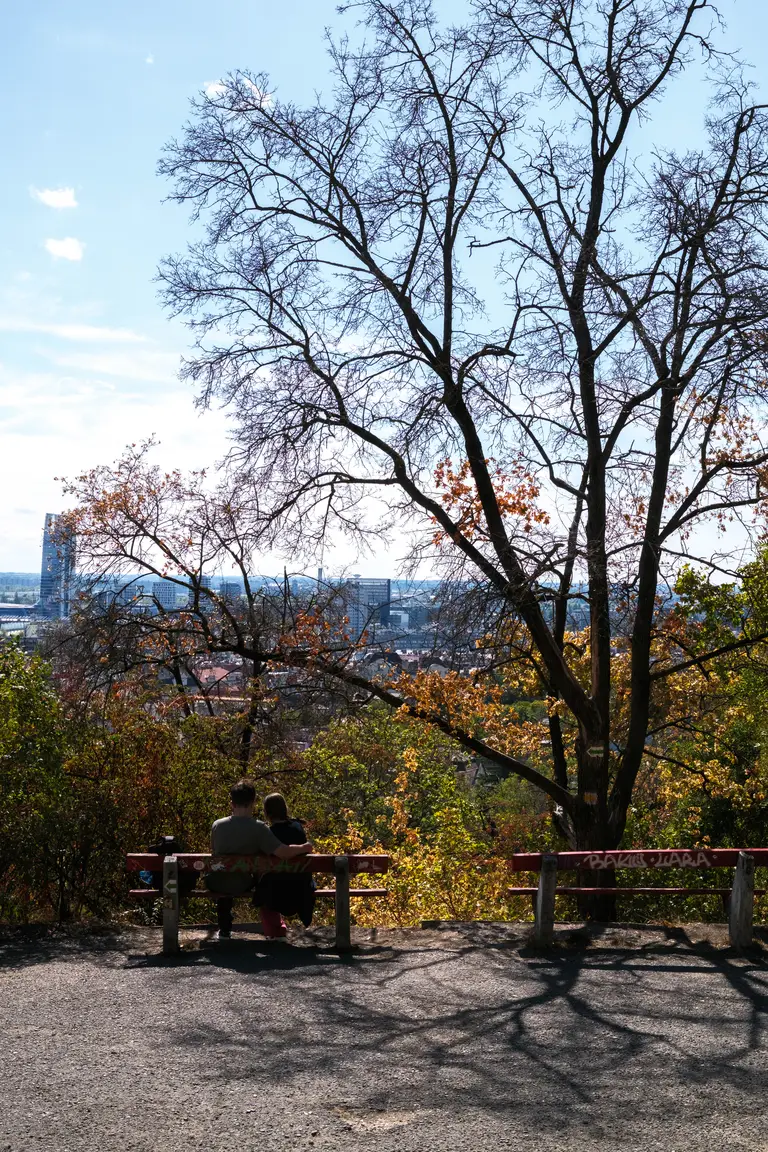
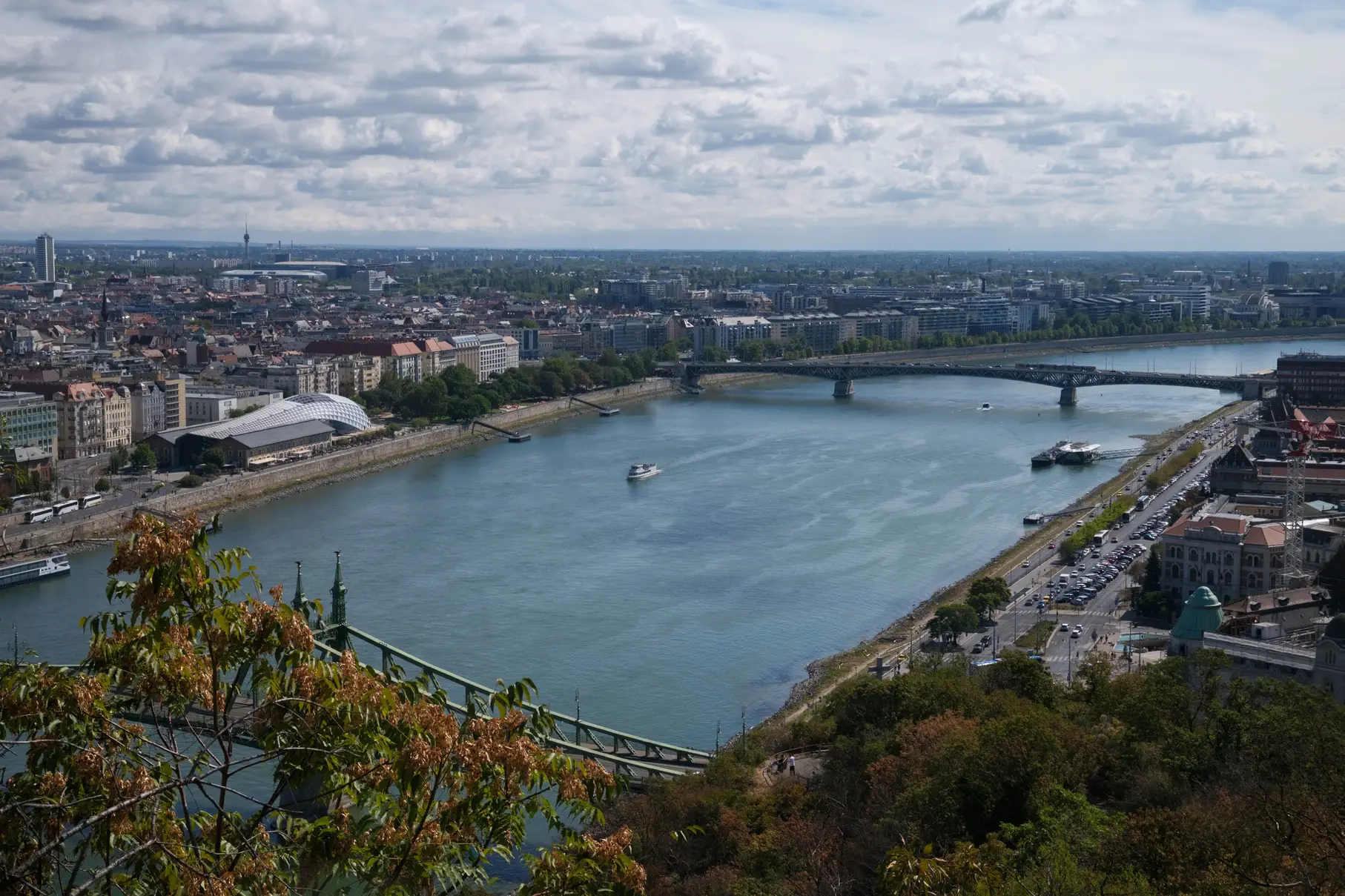
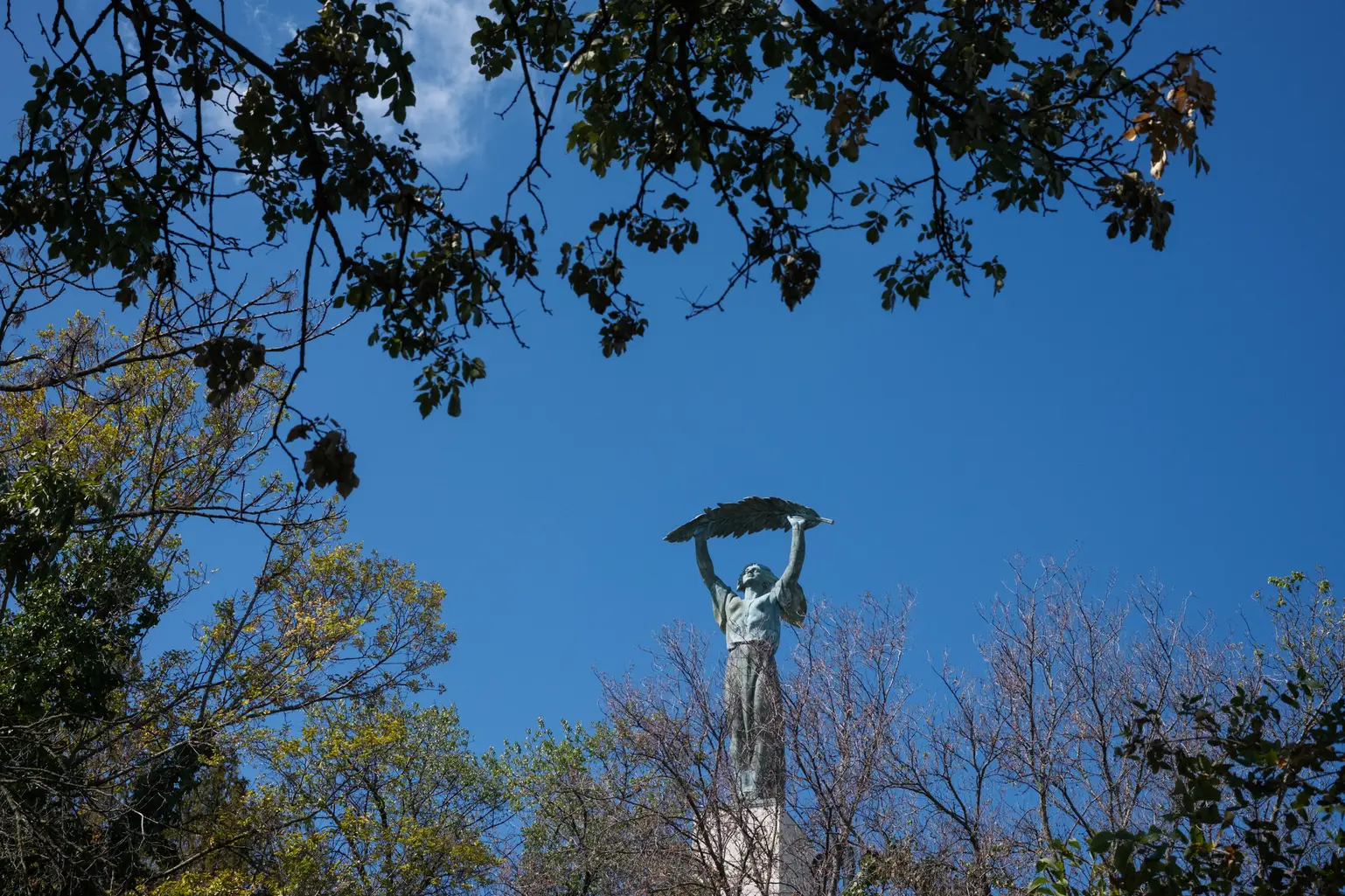
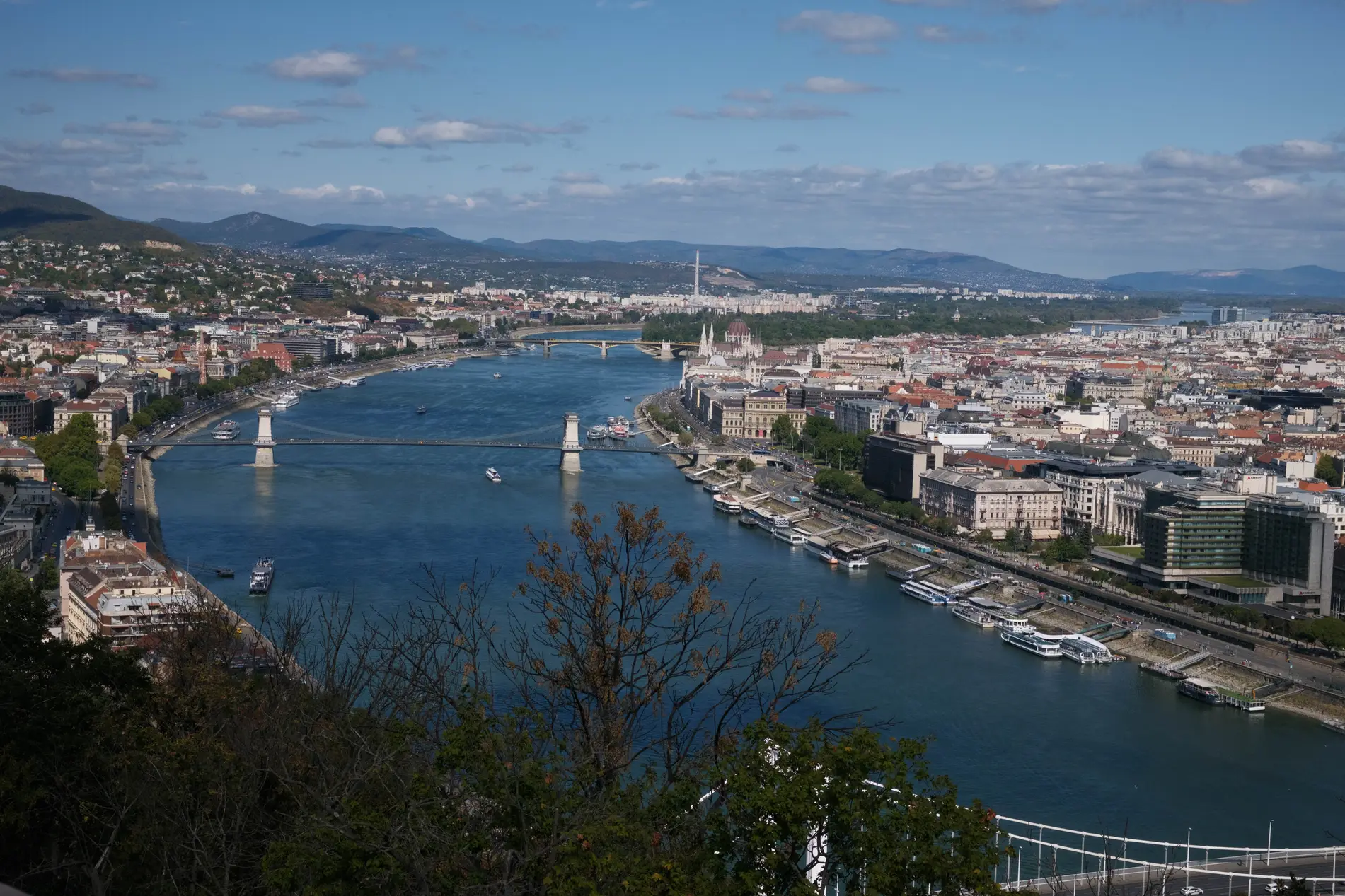
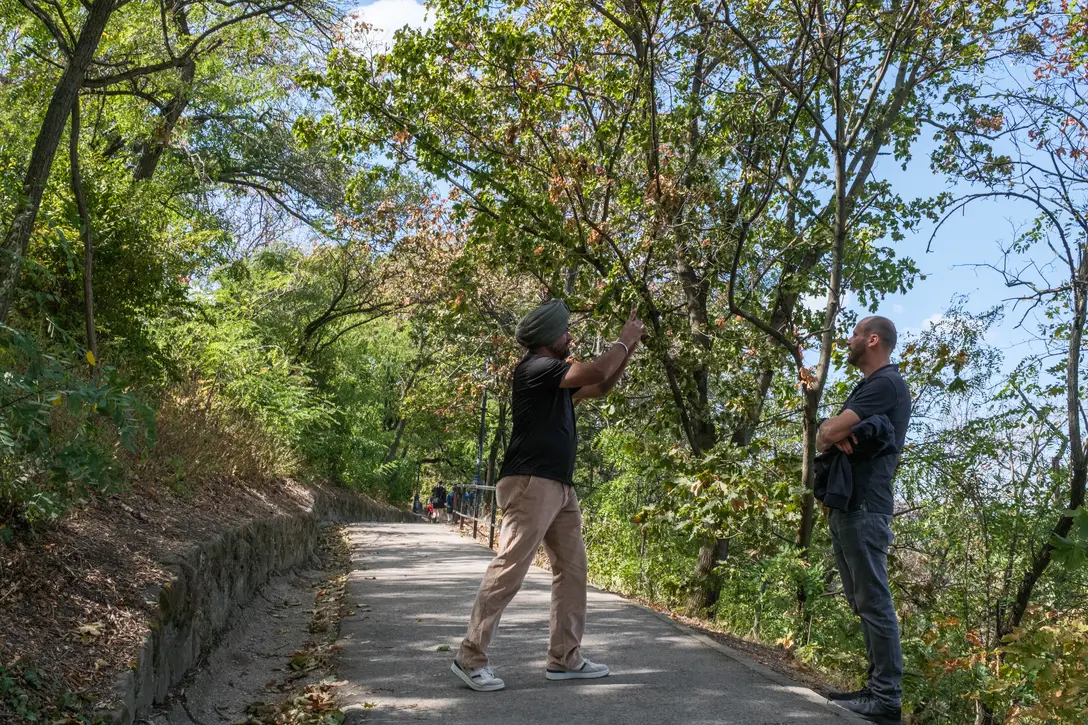
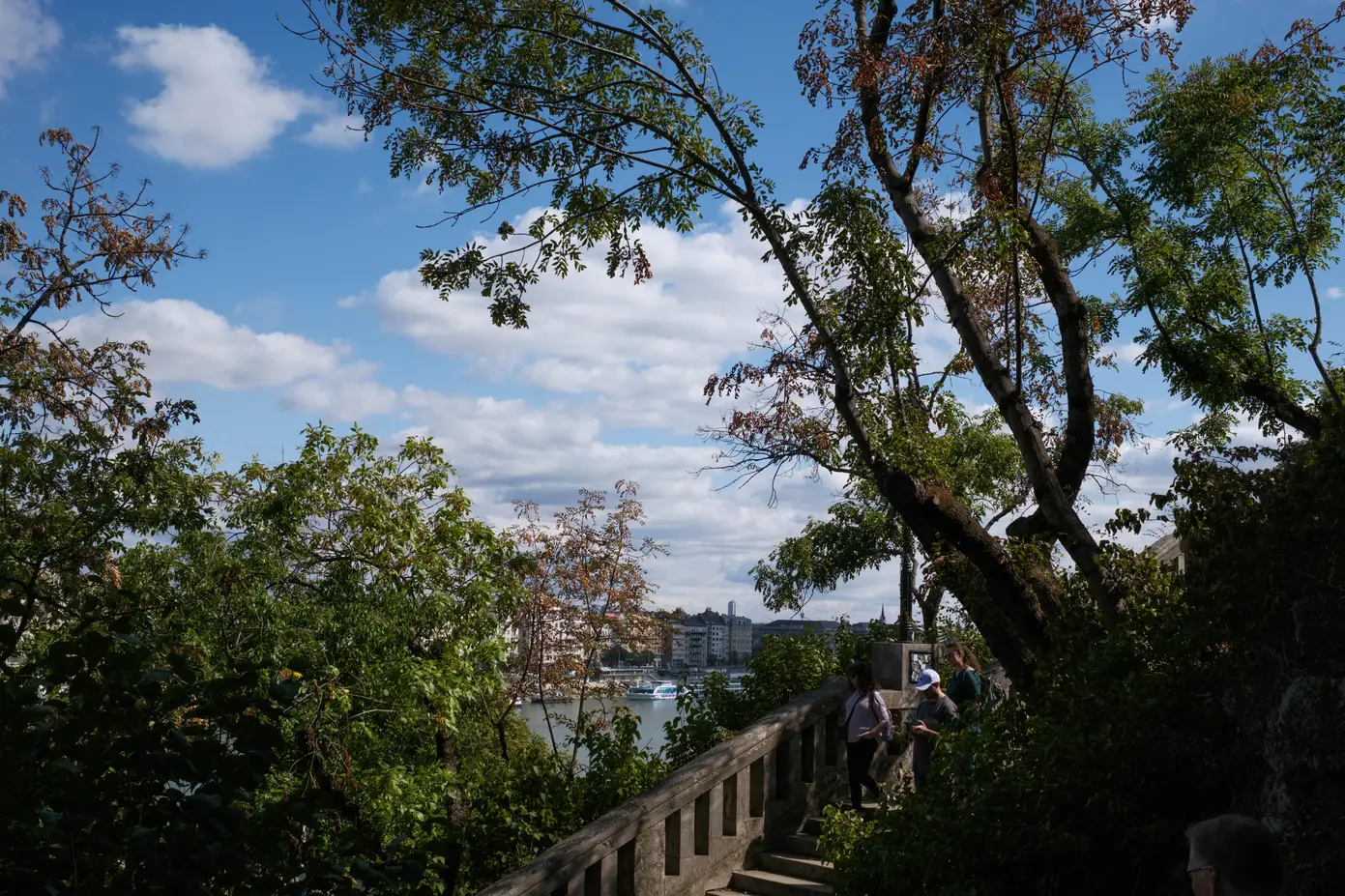
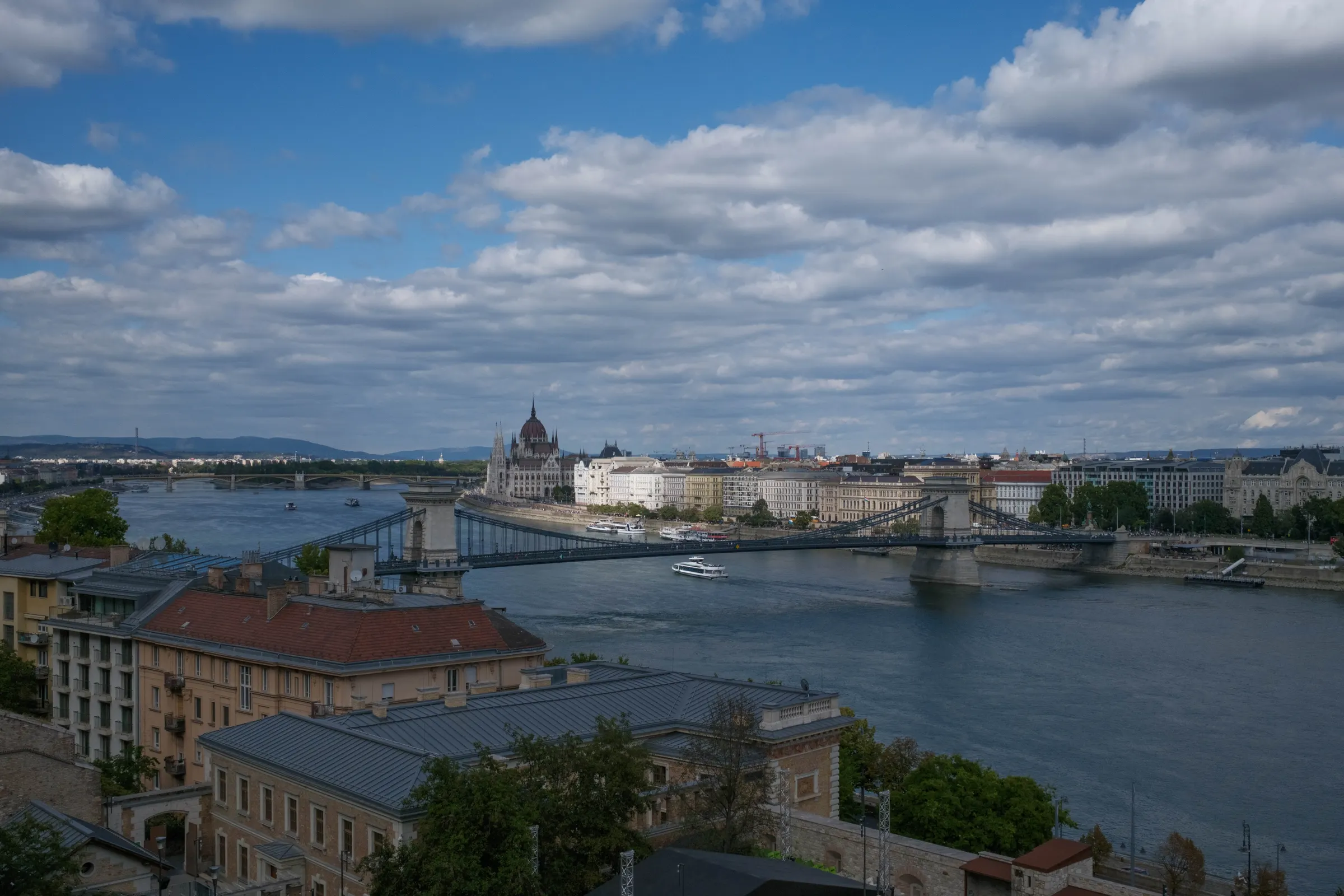
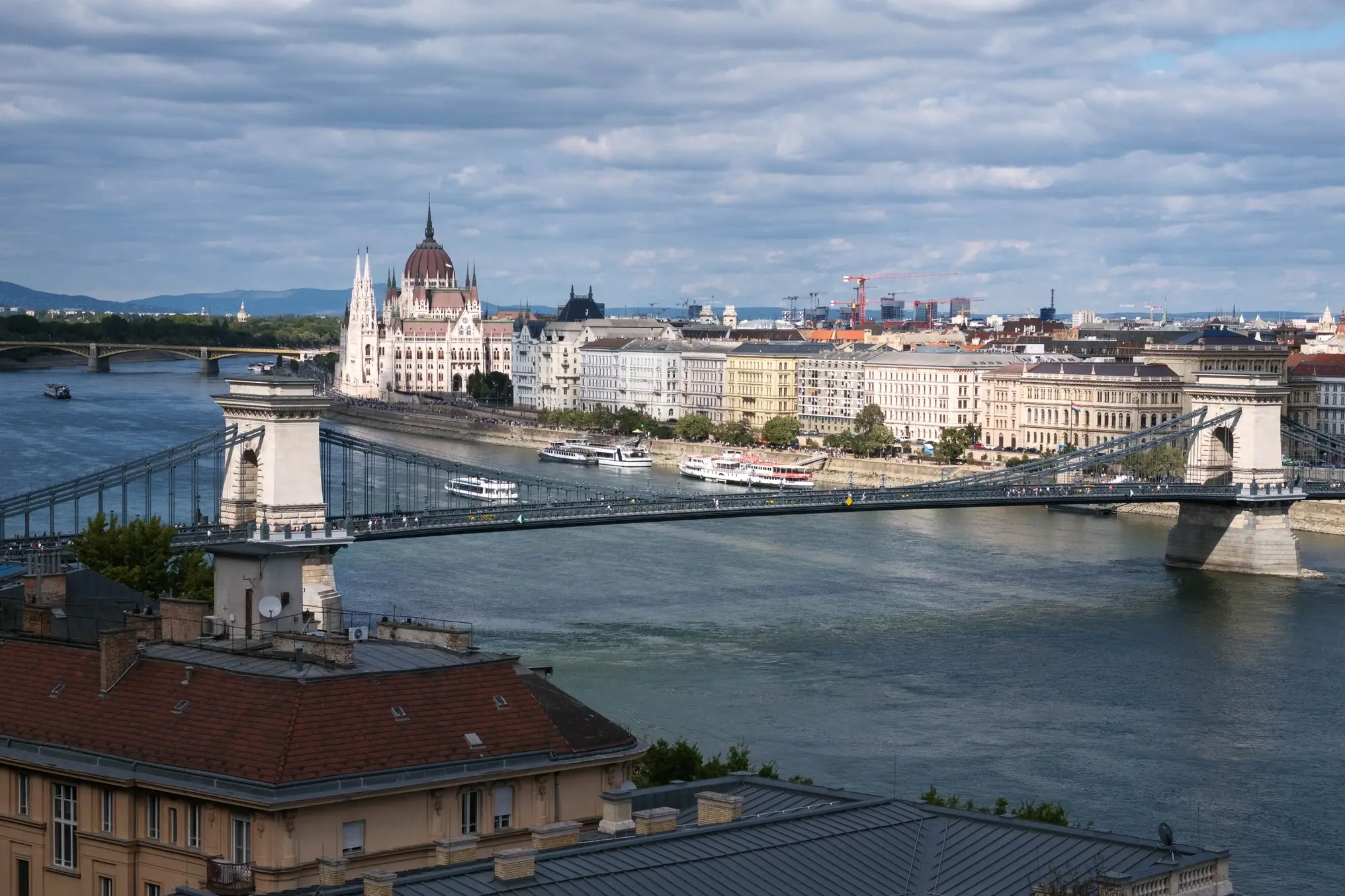
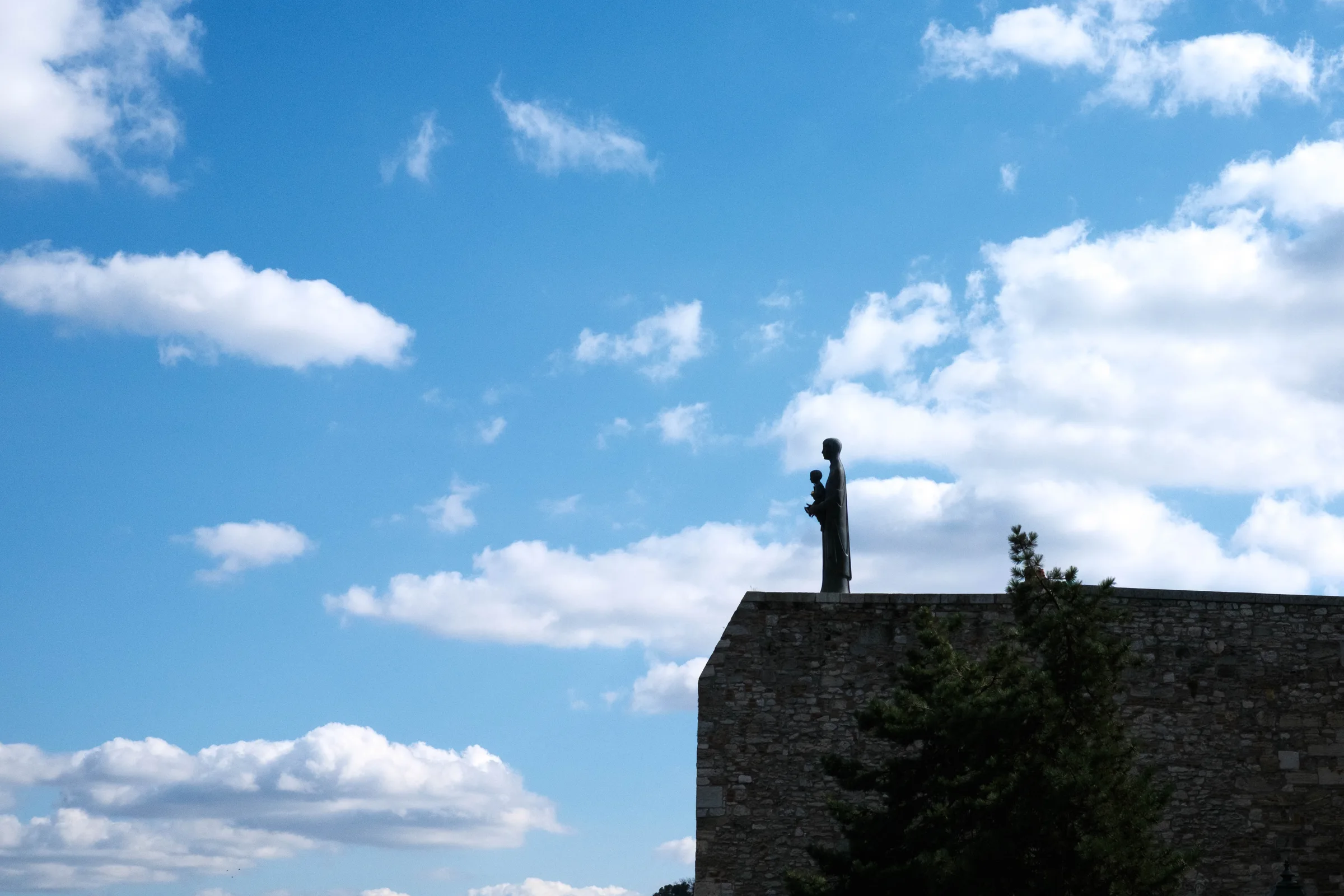
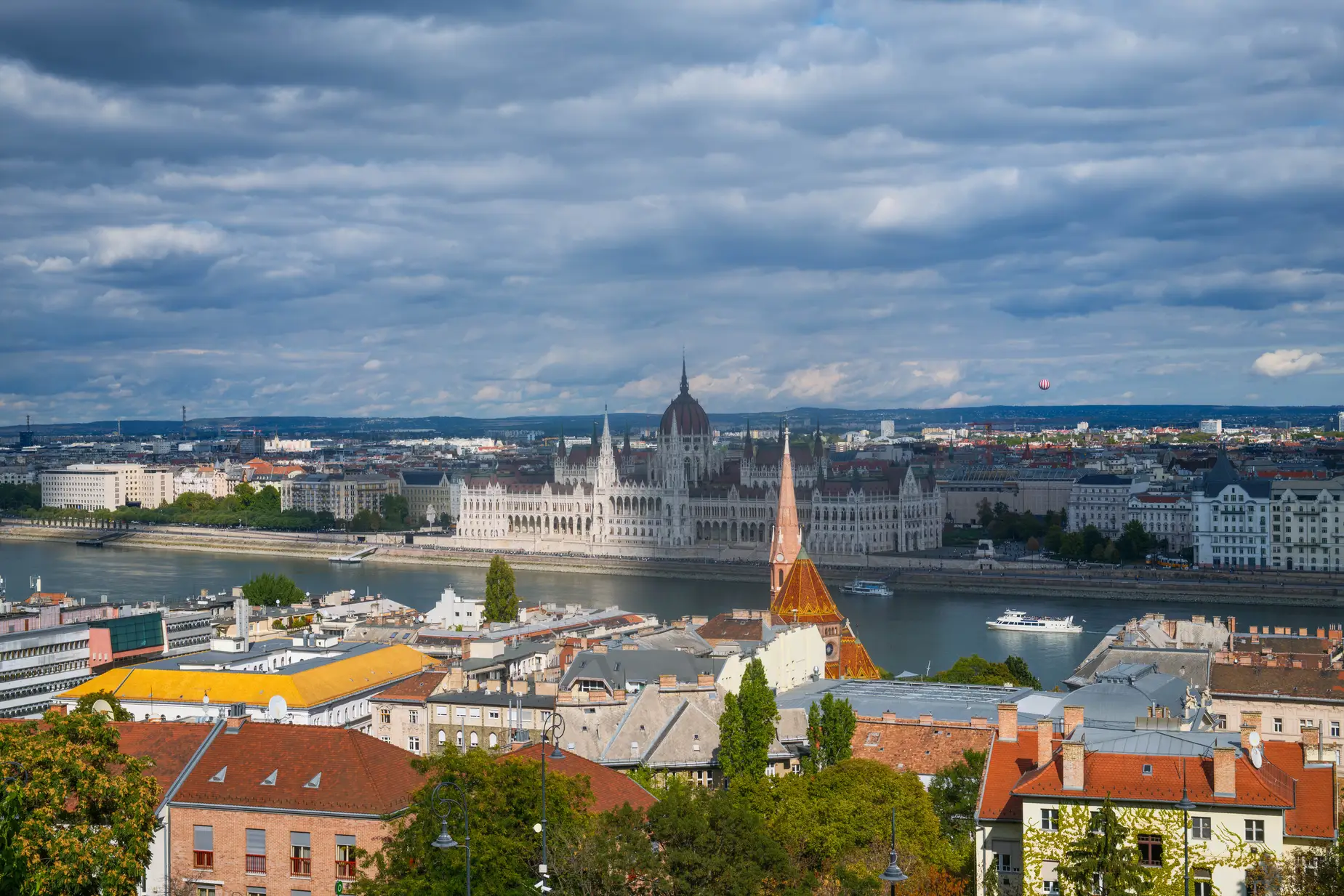
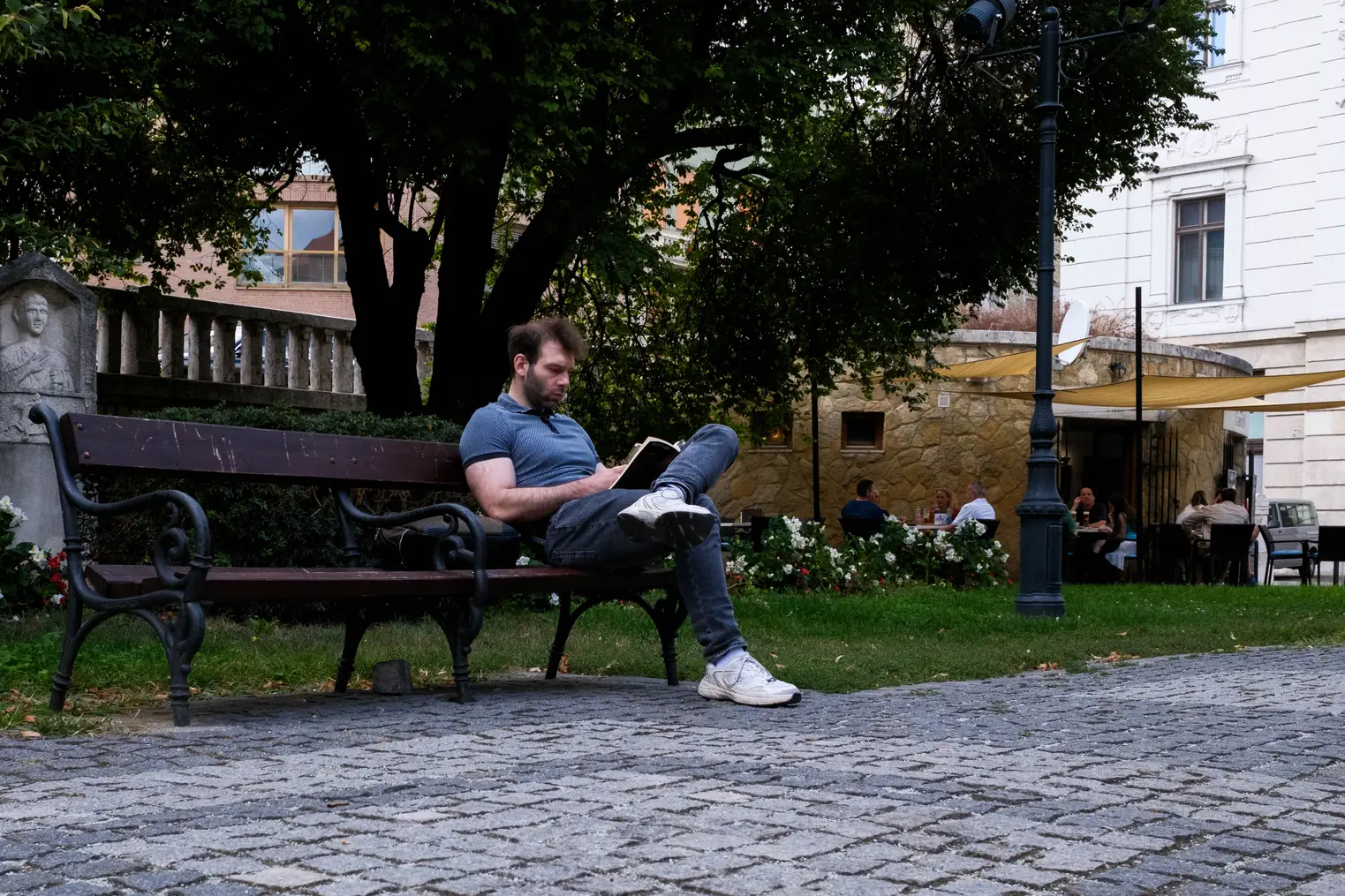
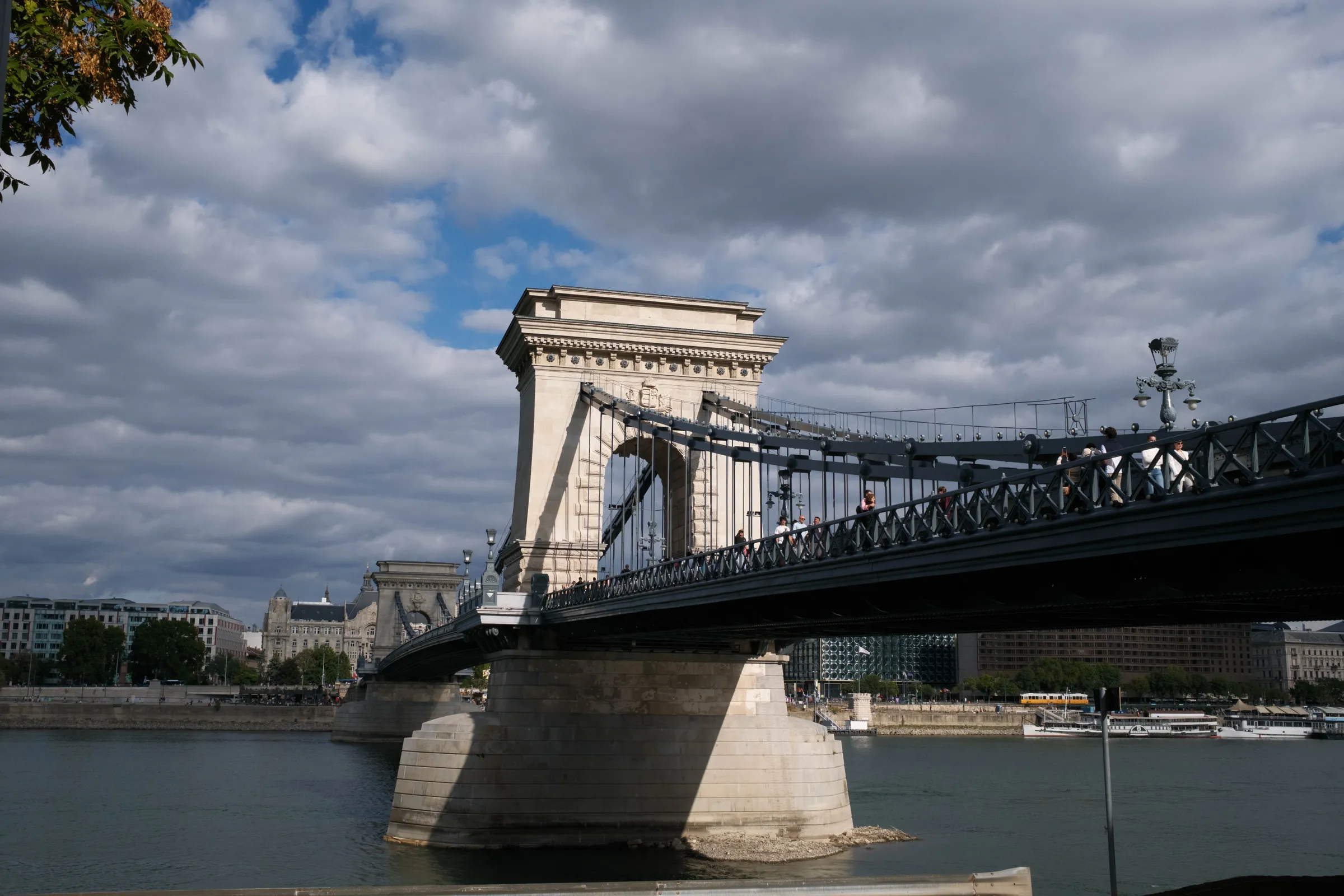
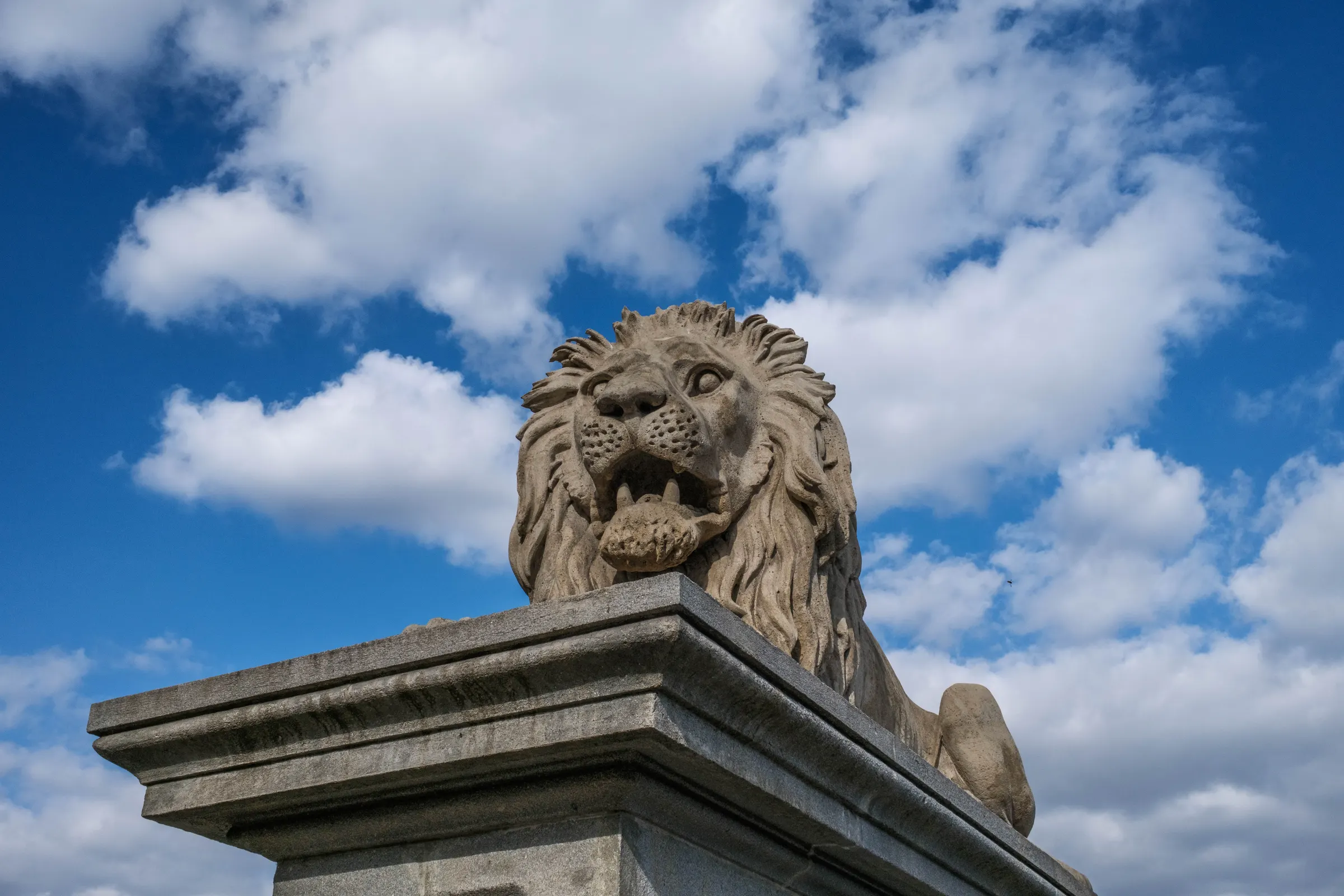
The first set of pictures here was from around our appartement, and different parts of Budapest.
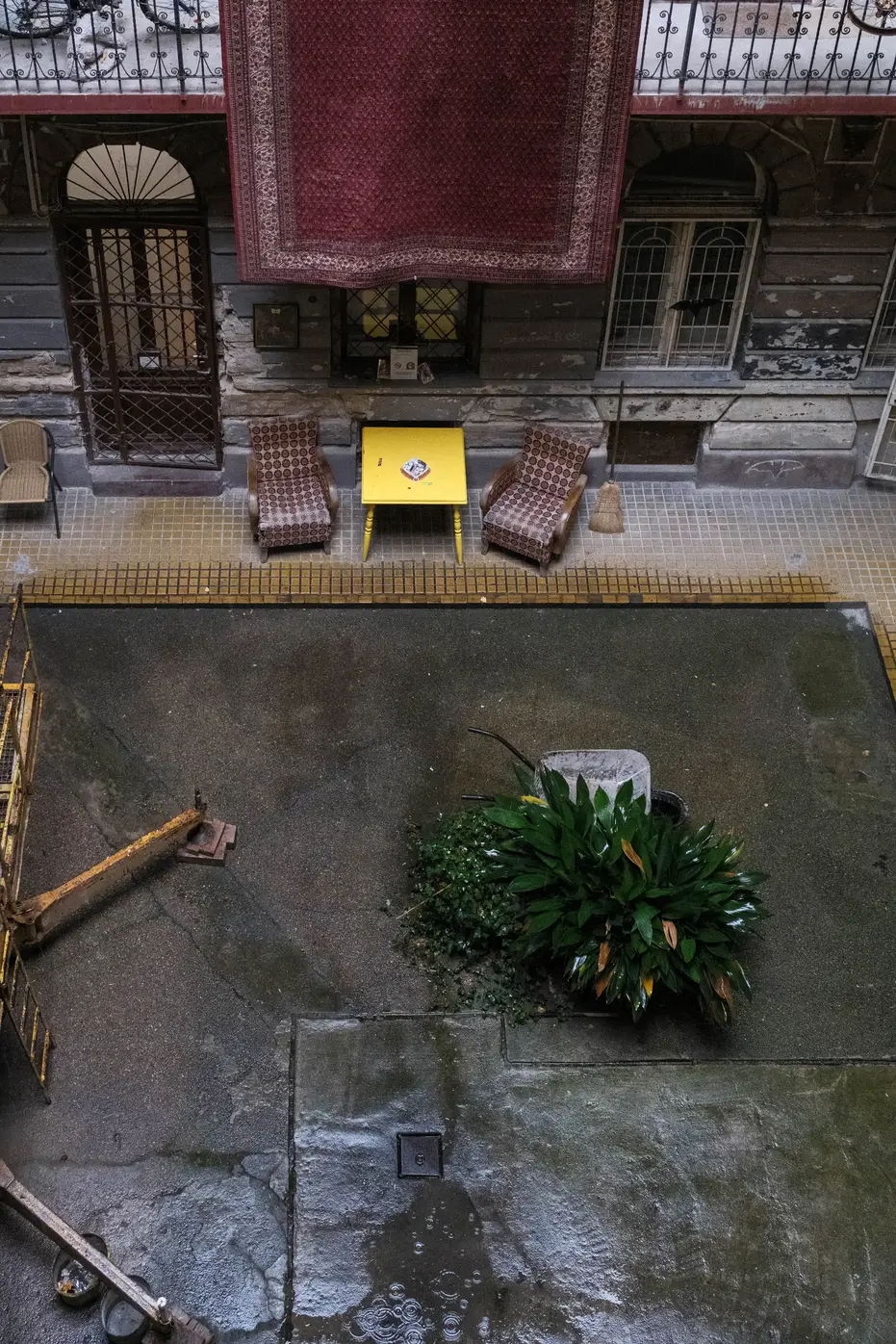
The Ruin Bars of Budapest: How Decay Became a Destination
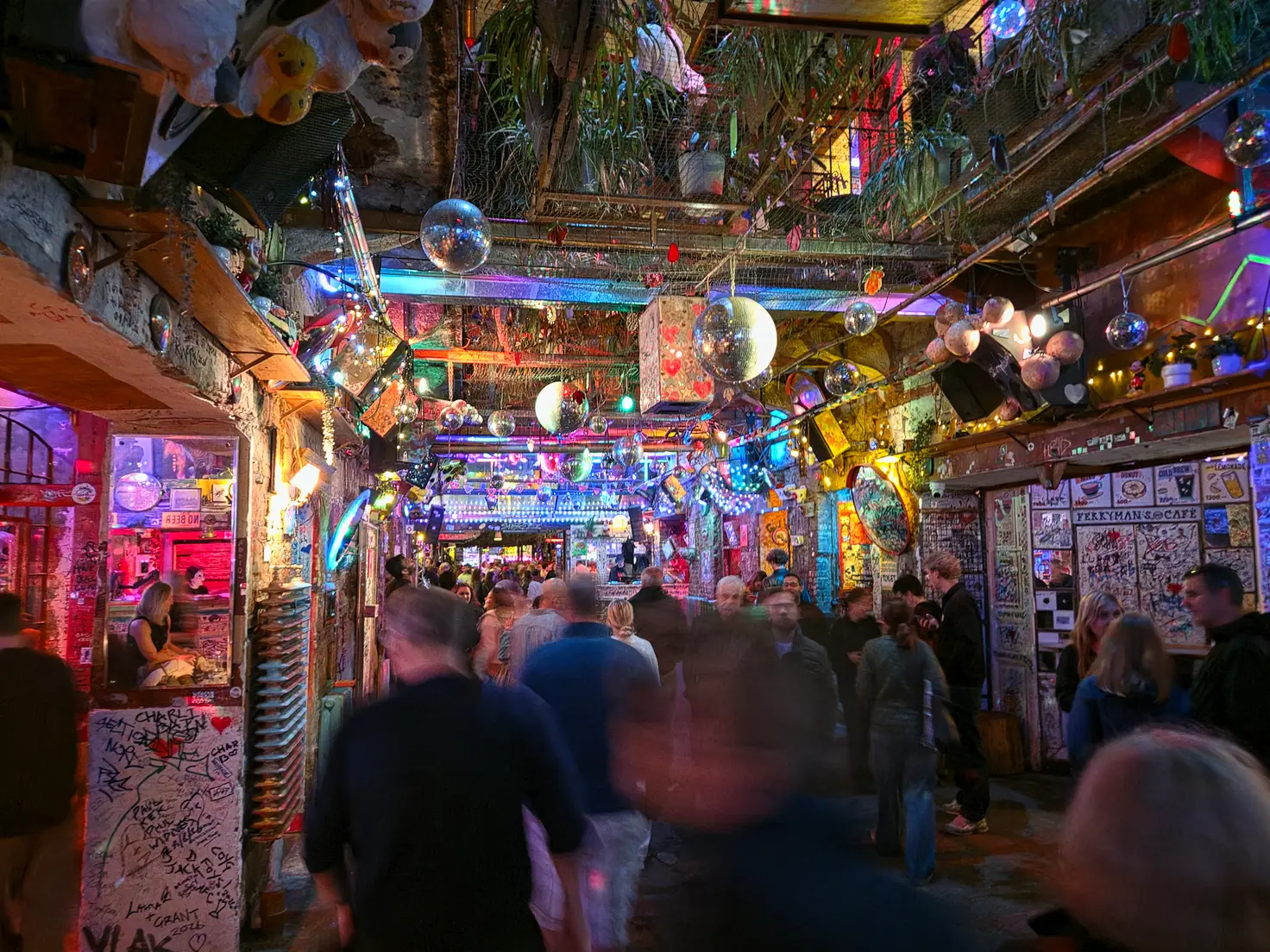
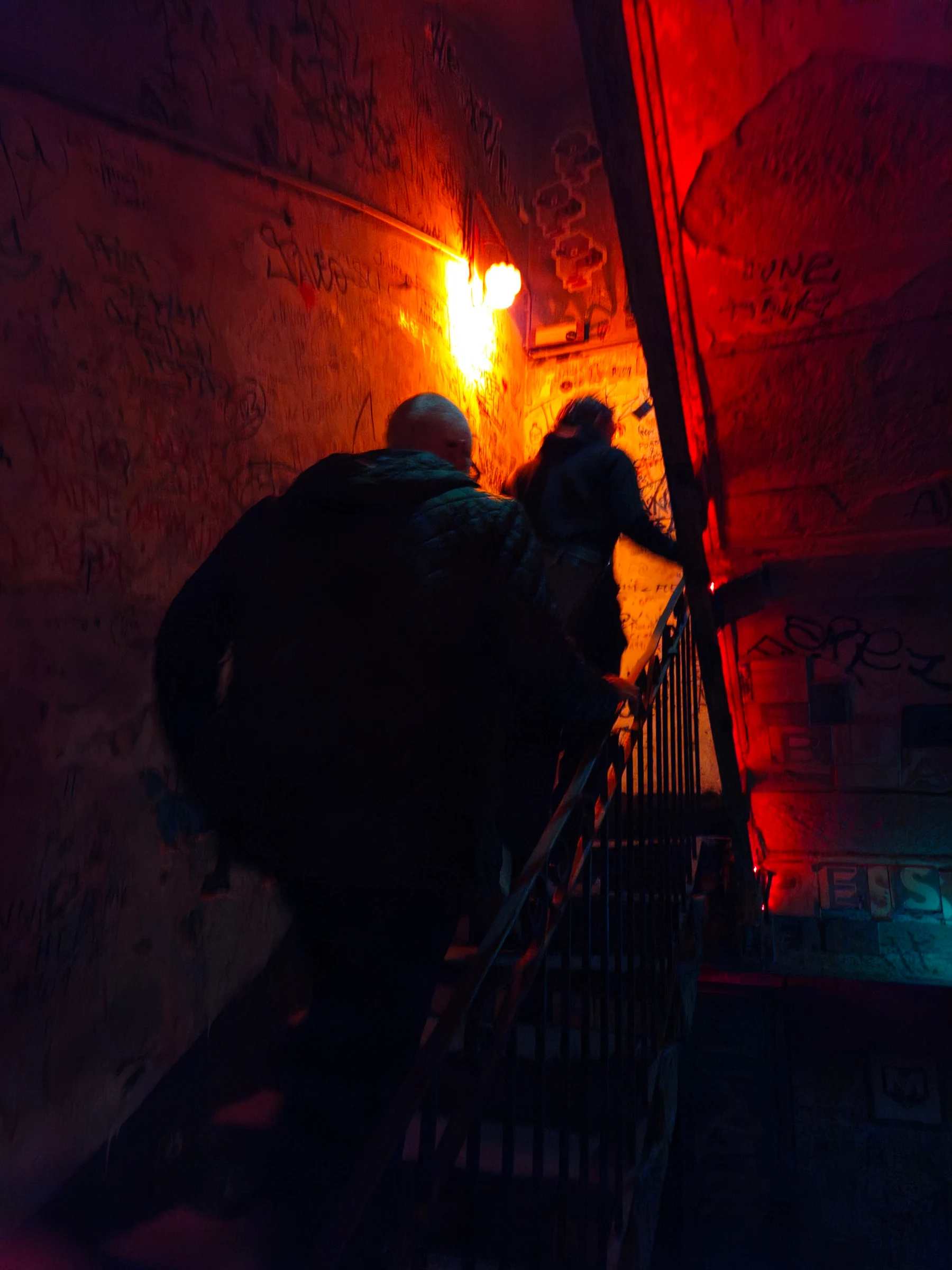
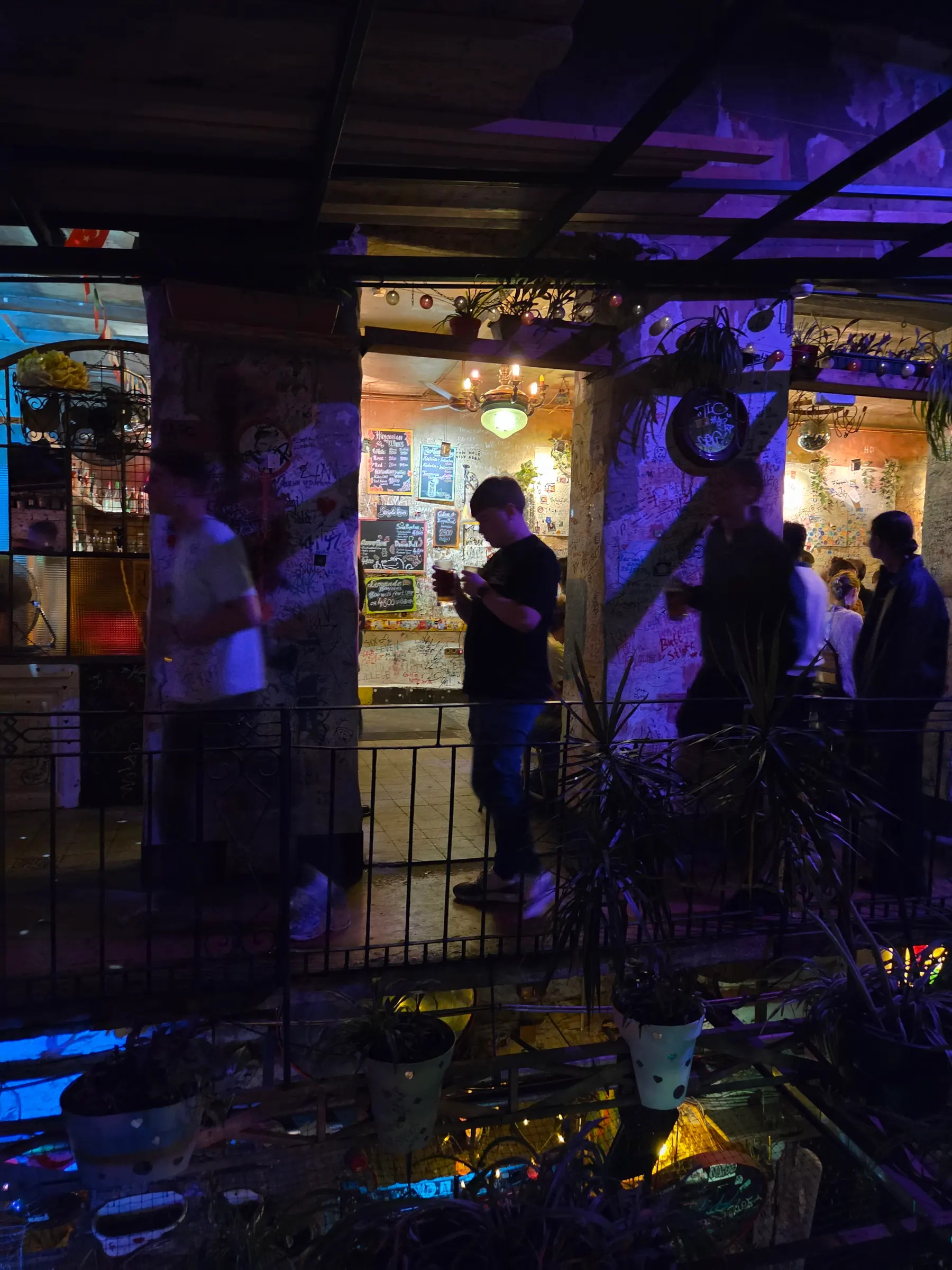
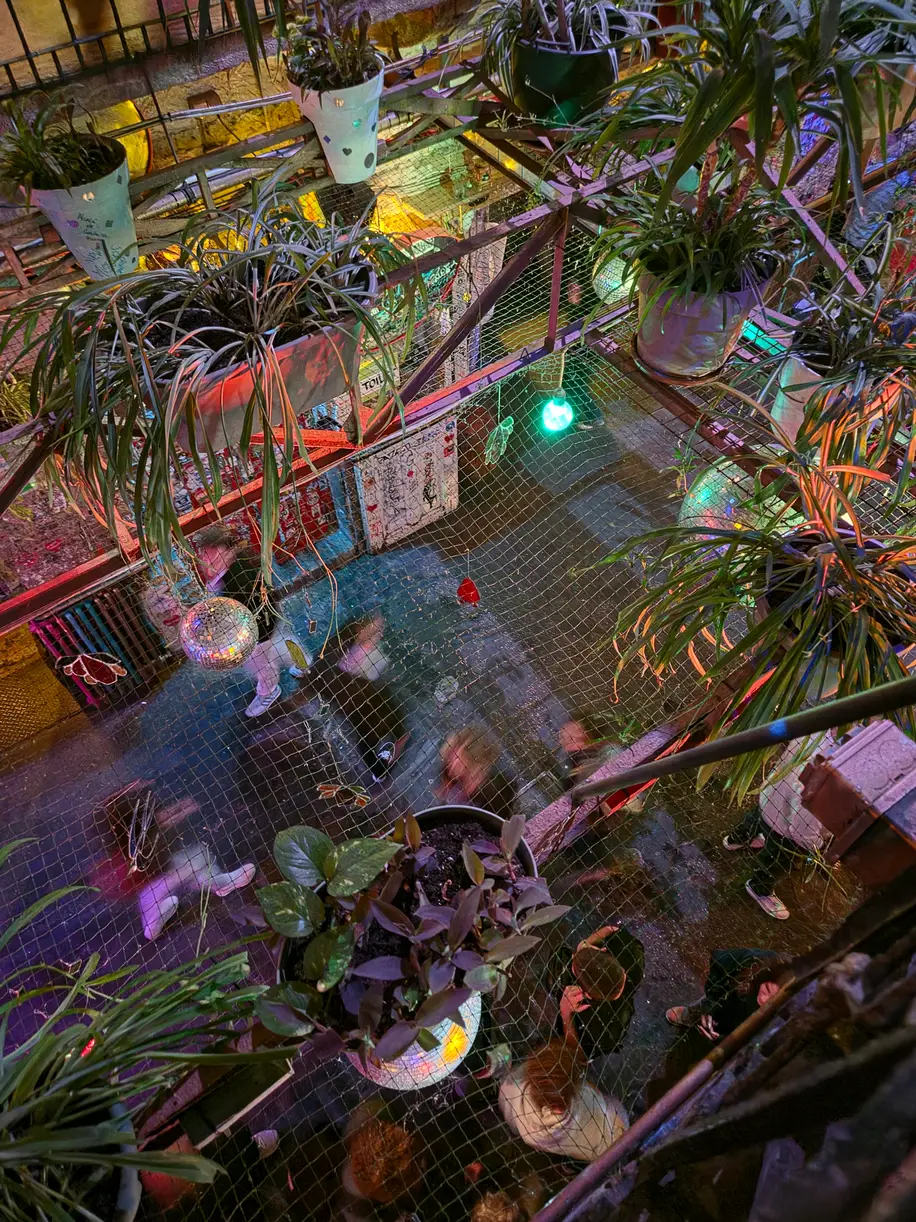
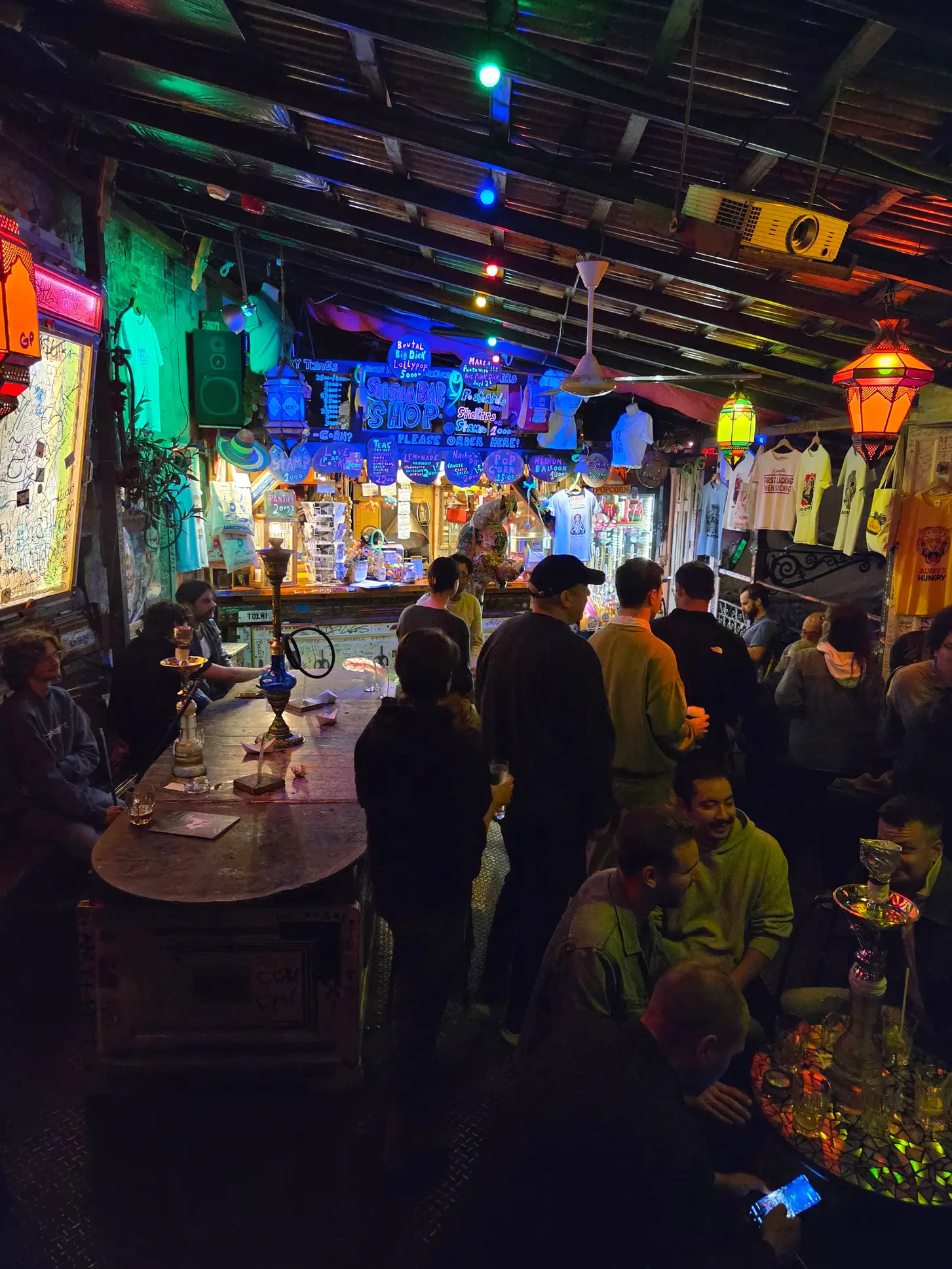
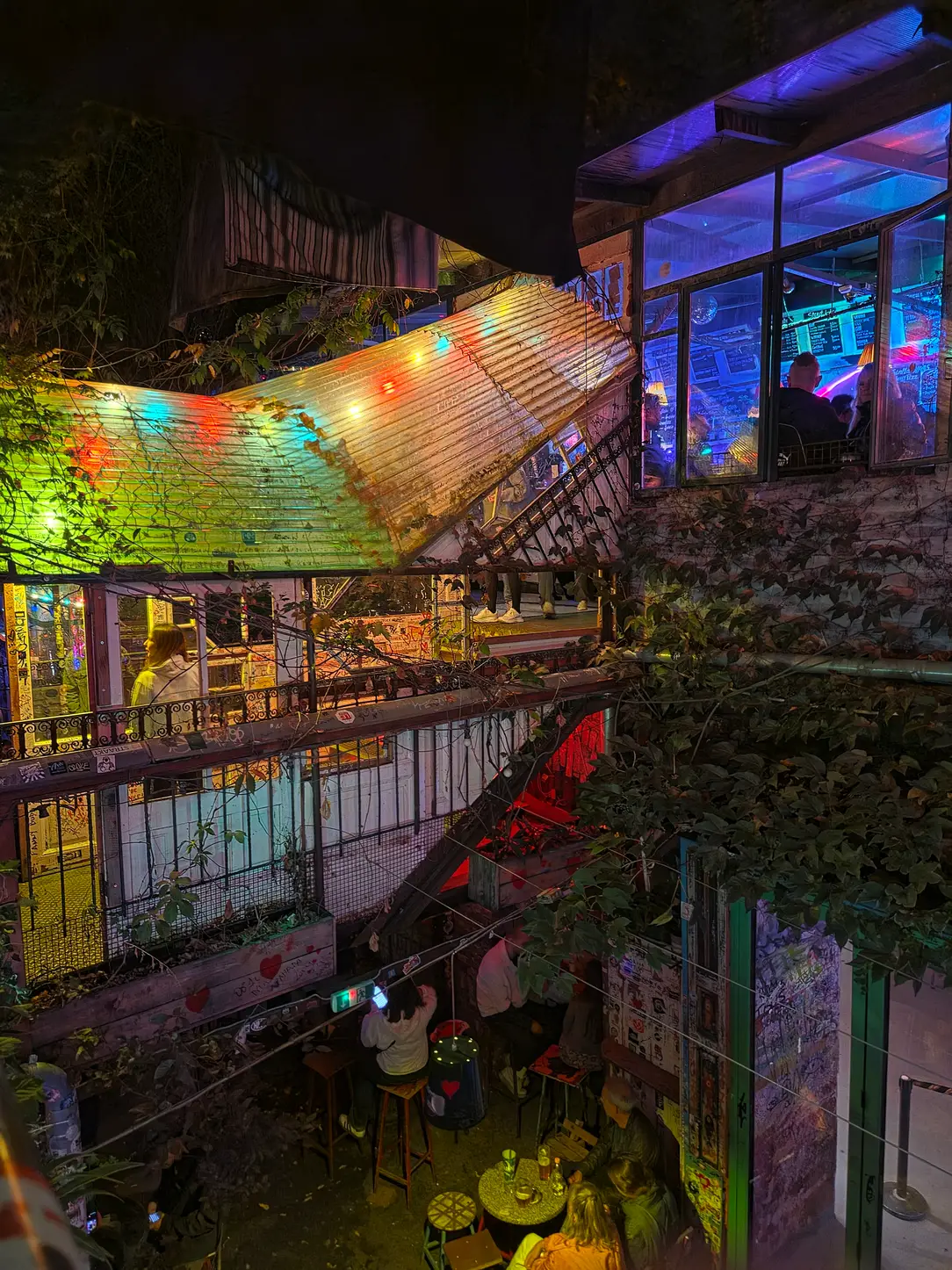
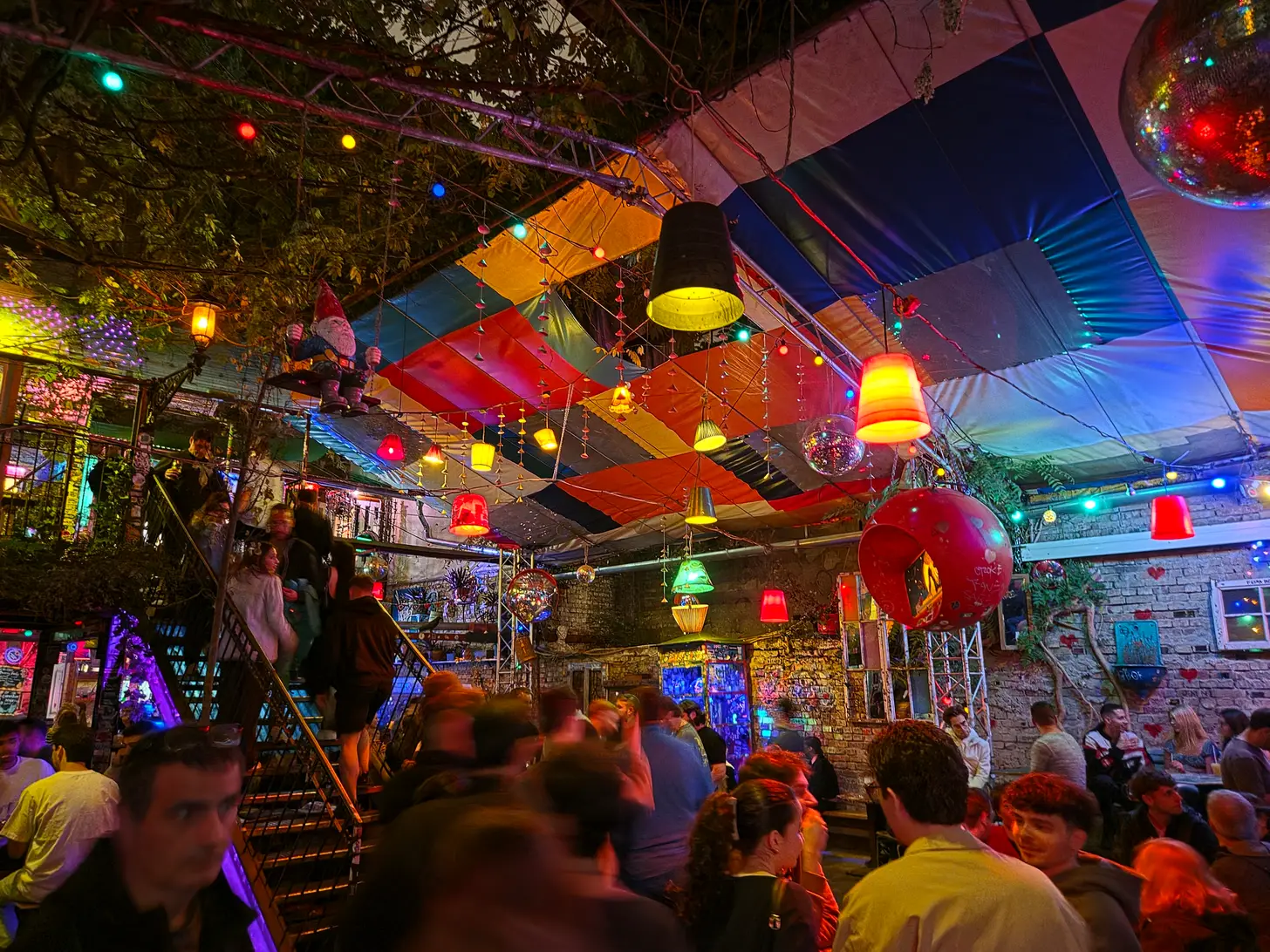
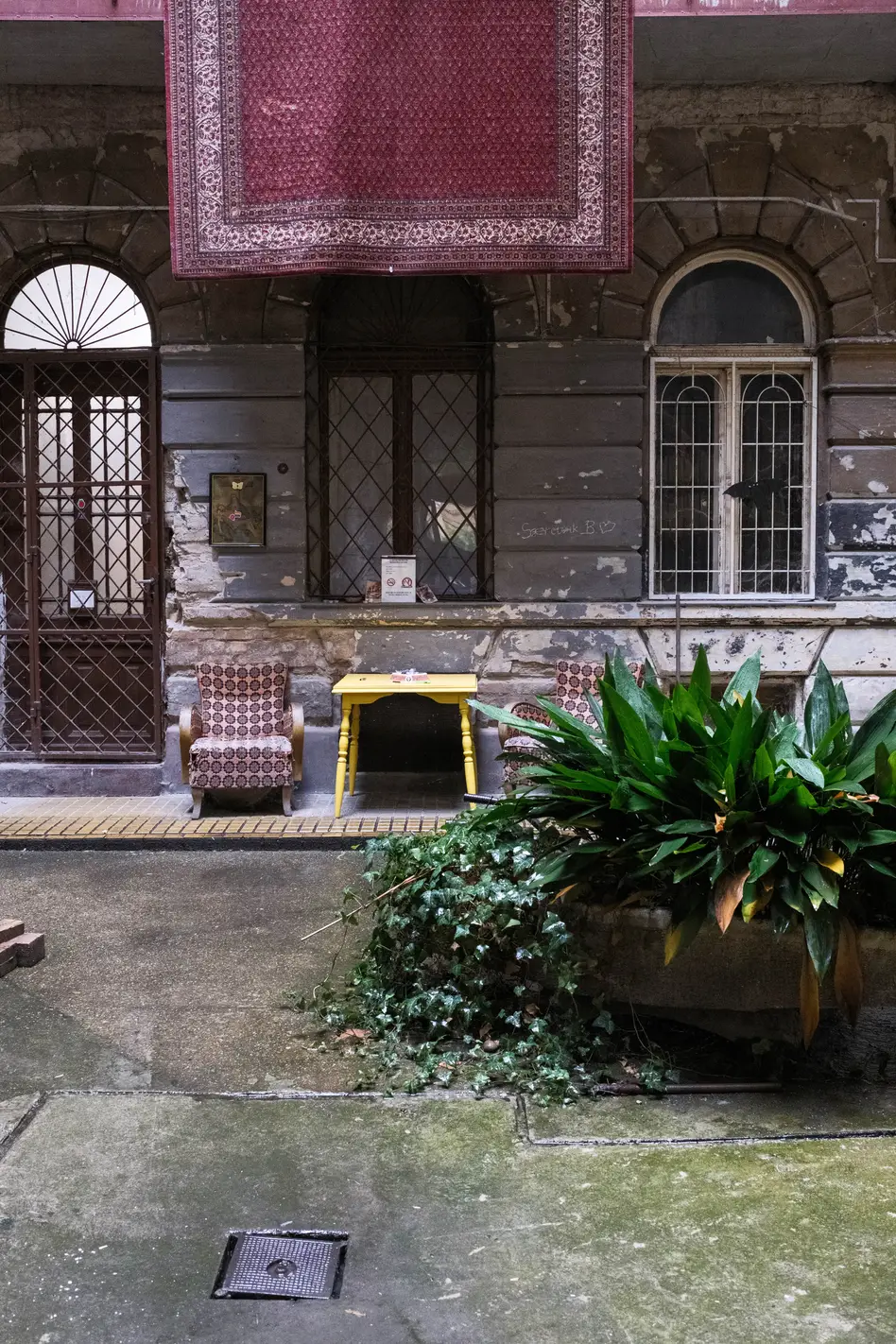
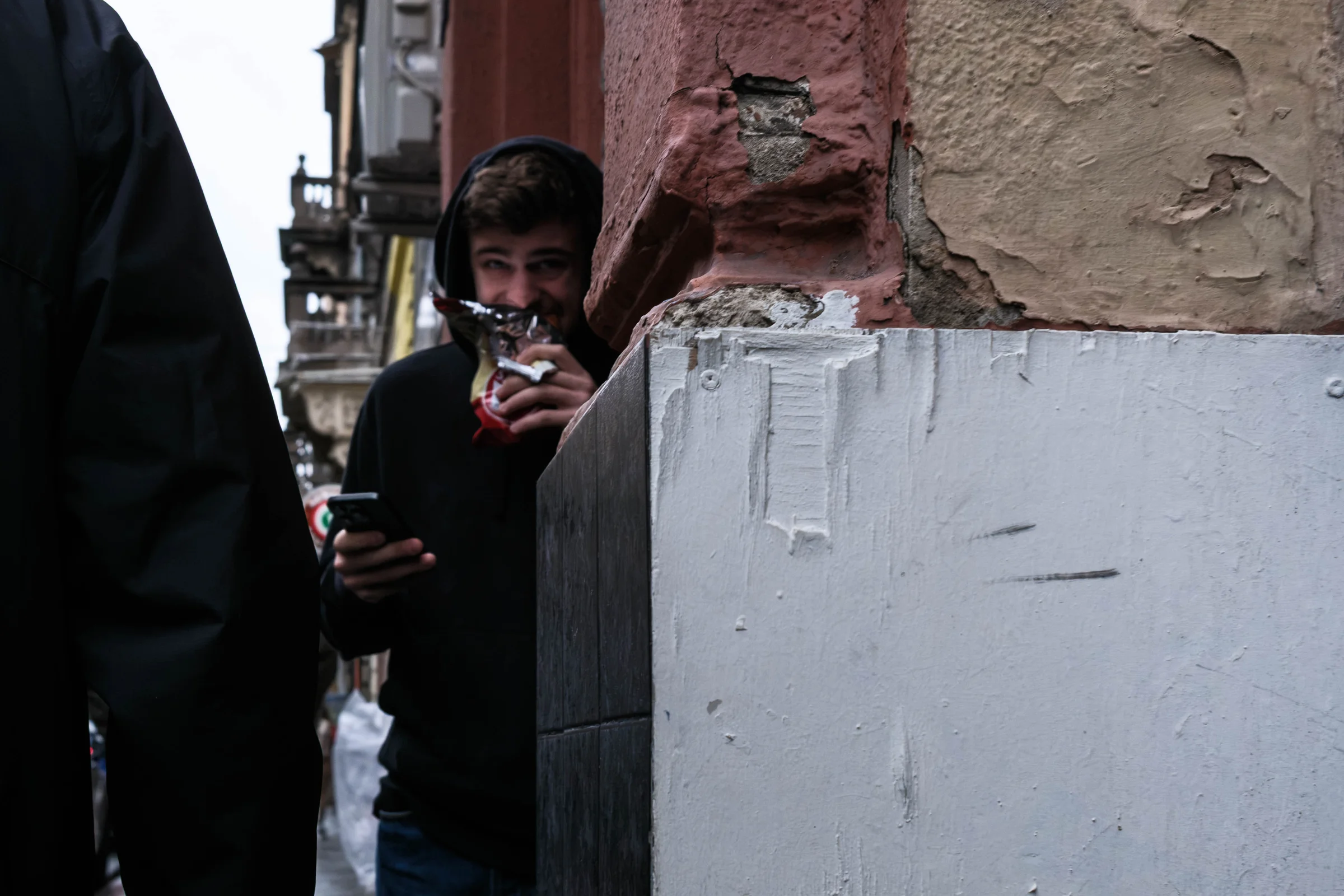
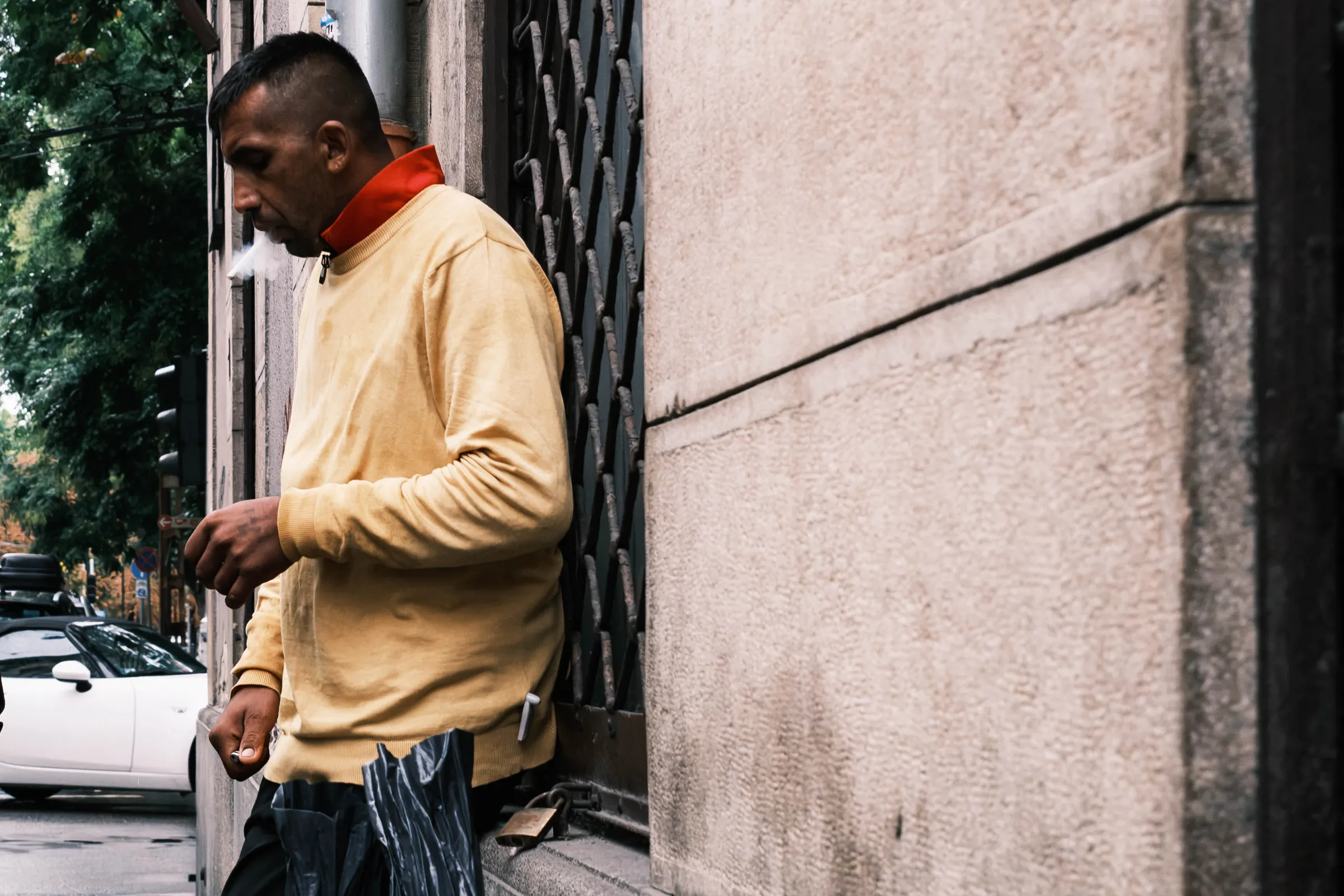
We also visited the famous of Ruin Bars of Budapest, these are pictures from my mobile phone, as we were out for drinks. If you dont know about the Ruin bars of Budapest, you are excused in my eyes, cause i had no idea, they existed before i got there :).
Tucked into the courtyards of Budapest's old Jewish Quarter (District VII), ruin bars — romkocsmák in Hungarian — turned abandoned buildings into the beating heart of the city's nightlife.
The story begins in the early 2000s, when the district's inner blocks held dozens of derelict apartment buildings, left empty by war, the communist era, and decades of neglect. Rather than wait for the bulldozers, a group of young entrepreneurs began opening makeshift bars inside them. Szimpla Kert, widely considered the pioneer, opened on Kertész utca in 2002 as an experimental, low-budget pub with cheap drinks and a bohemian atmosphere. In 2004, its founders (including Ábel Zsendovits) moved into a condemned complex on Kazinczy Street — formerly homes and a stove factory — saving it from demolition and reopening it as a bar and open-air cinema.
The concept was simple and radical at once: do not renovate. The bars embrace the peeling walls and crumbling courtyards, filling them instead with mismatched furniture, Communist-era relics, bicycles, and art installations. Szimpla Kert's success sparked a wave of imitators — Instant, Fogas Ház, Mazel Tov, Csendes — and the once-forgotten quarter became the centre of Budapest nightlife.
Today, ruin bars double as community hubs by day: farmers' markets, film screenings, galleries, and live music. They revitalised the district, but also fuelled tourism-driven gentrification, rising rents, and an ongoing tension between demolition and preservation. What started as an improvised reuse of ruins is now one of Budapest's defining cultural exports.
Sources
-
Wikipedia — Szimpla Kert (history, 2002 opening, 2004 move to Kazinczy Street, community activities)
-
Wikipedia — Ruin bar (definition, Jewish Quarter location, Ábel Zsendovits, concept and spread)